A bright smile starts with healthy habits. Knowing how to improve oral hygiene can protect your teeth and gums from disease and even support your overall health. Your oral health is about more than just your teeth. It also means caring for your gums, tongue, and mouth to prevent issues like tooth decay, gum disease, and bad breath.
Maintaining consistent oral hygiene is vital for keeping your teeth healthy, your gums strong, and your smile bright. The good news is that you can achieve this at home with the right oral hygiene routine and by seeing your dentist regularly.
Why Oral Hygiene Matters
Your mouth serves as the gateway to your digestive and respiratory systems, which means poor oral hygiene doesn’t just affect your teeth, it can also influence your overall health. When bacteria in your mouth aren’t properly managed, they can lead to infections, inflammation, and even systemic health conditions such as heart disease or low birth weight in newborns.
 Poor oral hygiene can cause several issues, including:
- Tooth decay, when bacteria produce acid that erodes tooth enamel.
- Gum disease, which starts as a mild form of inflammation but can progress to an advanced gum disease that damages bone and leads to tooth loss.
- Oral cancer, which can develop due to poor habits, smoking, or long-term irritation.
Through consistent good oral hygiene habits, you can avoid tooth decay, protect your gums, and maintain a clean, fresh mouth every day.
Understanding Common Oral Health Problems
Before learning how to improve oral hygiene, it helps to understand what happens when it’s neglected.
- Tooth Decay and Gum Disease
Tooth decay and gum disease often occur together. Bacteria feed on leftover food particles, forming sticky plaque buildup along the gum line and on the chewing surfaces of your teeth. As time passes, this buildup may cause cavities or lead to bleeding gums. - Poor Oral Health and Systemic Diseases
Research suggests that poor oral health can contribute to heart disease, diabetes, and respiratory problems. Bacteria in your mouth can move into the bloodstream, contributing to inflammation throughout the body. - Dry Mouth
Having too little saliva raises the risk of dental decay as saliva helps neutralise acids and remove plaque. Dry mouth can result from medications, dehydration, or certain health conditions. - Tooth Loss
Severe gum disease or untreated decay can cause loose teeth and eventually missing teeth, affecting not only appearance but also chewing and speech. - Oral Cancer
Regular self-checks and regular dental visits are crucial for early detection. Any changes in your mouth should be checked by a dentist promptly.
Building a Strong Oral Hygiene Routine
Keeping a consistent oral hygiene routine forms the basis of good oral health. Here’s what you should do daily and regularly to maintain healthy teeth and gums.
1. Brush Your Teeth Twice a Day
 The American Dental Association and Australian dentists advise brushing your teeth twice a day with fluoride toothpaste and a soft-bristled toothbrush.
- Brush slowly and gently along the gum line, covering all chewing surfaces.
- Use soft bristles to avoid gum recession and protect tooth enamel.
- Spend at least two minutes each time to clean thoroughly.
If you use an electric toothbrush, let the brush do the work. Move it slowly across each tooth rather than scrubbing.
2. Floss and Clean Between Teeth Daily
Brushing alone can’t reach every area where food particles and plaque buildup hide. That’s why dental floss or interdental brushes are essential.
- Wrap dental floss around your middle fingers and carefully slide it between each tooth.
- Carefully curve the floss around each tooth in a C-shape to clean under the gum line.
- Alternatively, use interdental brushes for wider spaces or a water flosser for added ease.
Daily flossing reduces your risk of early gum disease and keeps your gums healthy.
📖 People also read about:
3. Use Fluoride and Rinse Correctly
Fluoride helps reinforce tooth enamel and protects against tooth decay. Always use fluoride toothpaste, and ask your dentist about professional fluoride treatment if you’re prone to cavities.
Avoid rinsing your mouth immediately after brushing. This allows fluoride to remain on your teeth longer for better protection.
4. Maintain a Healthy Diet
A healthy diet benefits both your oral health and your overall health. To protect your teeth and gums:
- Limit how much sugary and acidic food you eat, as these can erode your tooth enamel.
- Eat calcium-rich foods like dairy and leafy greens to keep teeth healthy.
- Choose crunchy fruits and vegetables to stimulate saliva flow.
- Make sure to drink enough water throughout the day to avoid dry mouth.
Poor nutrition contributes to poor oral hygiene, increasing your risk of decay and gum disease.
5. Keep Regular Dental Check Ups
Even with the appropriate care at home, regular dental check-ups are vital. Your dentist can identify early signs of issues such as gum disease, oral cancer, or dental decay before they worsen.
- Book routine dental visits at least twice a year.
- Professional cleaning removes tartar and plaque that regular brushing can’t eliminate.
- Routine dental check-up appointments allow for early detection of issues that could affect overall health.
Visiting your dentist regularly also ensures any poor oral habits are corrected early, protecting you from more complex procedures later.
📖 People also read about:
Addressing Poor Oral Hygiene Habits
Even small mistakes in your oral hygiene routine can lead to long-term damage. Here’s how to identify and fix them:
- Brushing Too Hard
Vigorous brushing may seem effective, but can cause gum recession and damage tooth enamel. Always use soft bristles and brush slowly. - Skipping Flossing
Without flossing, plaque buildup remains between teeth, leading to early gum disease. - Using the Wrong Tools
Avoid toothbrushes with hard bristles or abrasive toothpaste. Instead, opt for a soft-bristle toothbrush and gentle fluoride toothpaste. - Irregular Dental Visits
Skipping your regular check-ups can make you to miss early signs of tooth decay or other oral health issues. - Ignoring Dry Mouth
Saliva is vital for keeping teeth healthy. If you have persistent dryness, speak with your dentist about ways to stimulate saliva or change medications.
Preventing Gum Disease: From Early to Severe Forms
Gum disease is among the most widespread oral health concerns, developing slowly over time.
- Early gum disease (gingivitis) represents a mild stage that causes bleeding gums, tenderness, and redness. It’s reversible with proper care.
- If ignored, it can progress to advanced gum disease (periodontitis), a severe form that destroys tissue and bone, resulting in loose teeth and possible tooth loss.
How to prevent gum disease:
- Brush your teeth every day with a toothbrush that has soft bristles.
- Floss or use interdental brushes each day to clean beneath the gum line.
- Visit your dentist regularly for scaling and cleaning.
- Practise proper oral hygiene and follow a healthy diet rich in vitamins and minerals.
By catching gum problems early, you can avoid the severe form that causes long-term damage.
The Connection Between Oral Health and Overall Health
The mouth is closely linked to the rest of the body. Bacteria from the mouth can enter the bloodstream, potentially leading to inflammation and other systemic health problems.
💡 Need help?
We offer professional book a consultation to help you achieve your goals.
Research has found links between poor oral health and:
- Heart disease: Bacteria and inflammation can contribute to blocked arteries.
- Low birth weight: Expectant mothers with gum disease are at higher risk.
- Diabetes: Poor oral hygiene can make blood sugar harder to control.
- Respiratory infections: Inhaling bacteria from the mouth can cause lung issues.
Maintaining good oral health can therefore protect not just your teeth and gums, but your body as a whole.
The Role of Regular Professional Care
Your dentist plays a key role in maintaining good oral hygiene and detecting early signs of oral cancer, cavities, or gum disease.
During a dental check-up, your dentist may: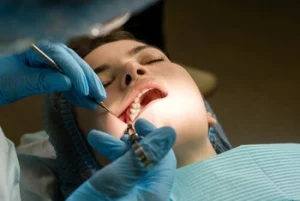
- Examine your gum line for bleeding gums or swelling.
- Assess your tooth enamel and chewing surfaces for dental decay.
- Check for loose teeth, missing teeth, or signs of oral cancer.
- Recommend fluoride treatment or sealants to prevent tooth decay.
- Provide guidance on lifestyle tips to maintain your oral health.
Regular professional care ensures early detection and helps keep your teeth healthy for life.
Lifestyle Tips to Support Good Oral Health
In addition to brushing and flossing, your lifestyle plays a major role in keeping your mouth clean and disease-free. Here are a few lifestyle tips that promote good oral health:
- Avoid smoking and alcohol, which can increase your risk of oral cancer and gum disease.
- Stay hydrated to reduce dry mouth and keep bacteria levels in check.
- Limit snacking between meals, especially sugary foods that promote tooth decay.
- Chew sugar-free gum to stimulate saliva and help remove plaque.
- Replace your toothbrush every three to four months, or sooner if the bristles fray.
Recognising Early Signs of Oral Health Problems
Awareness is key to prevention. Watch for the following early signs of oral health problems:
- Bleeding gums when brushing or flossing.
- Persistent bad breath.
- Loose teeth or receding gums.
- Sensitivity to hot or cold.
- Sores or lumps that don’t heal.
Spotting these early gives your dentist the chance to intervene before the condition becomes serious.
When to See a Dentist
If you notice pain, swelling, or bleeding gums, don’t wait for your next regular dental check-up. Make an appointment as soon as possible. Early treatment prevents complications and keeps your teeth and gums healthy.
Even if everything feels fine, regular dental visits are essential for maintaining good oral hygiene and identifying hidden issues such as small cavities or gum disease that may not cause symptoms right away.
The Takeaway
Learning how to improve oral hygiene is one of the most effective ways to safeguard your oral health and overall wellbeing. Through daily brushing, flossing, and regular check ups, you can maintain healthy teeth, fresh breath, and a confident smile.
If you’re concerned about your oral hygiene or want to learn practical ways to maintain healthy teeth and gums, book a consultation with us at Advanced Dental Care or call (02) 9969 3982 to receive tailored advice from our friendly dental team.
Resources
Cherney, K. & McLean, A. (2025). ‘10 Ways to Keep Your Teeth Healthy’. Healthline, 13 May. San Francisco, CA: Healthline Media.
https://www.healthline.com/health/dental-and-oral-health/best-practices-for-healthy-teeth
Mayo Clinic Staff. (2023). ‘Cavities and Tooth Decay’. Mayo Clinic, 30 November. Rochester, MN: Mayo Foundation for Medical Education and Research.
https://www.mayoclinic.org/diseases-conditions/cavities/symptoms-causes/syc-20352892
Cleveland Clinic Staff. (2025). ‘Tooth Enamel’. Cleveland Clinic, 10 July. Cleveland, OH: Cleveland Clinic.
https://my.clevelandclinic.org/health/body/24798-tooth-enamel
Watson, S. (2024). ‘Gingivitis and Periodontal Disease (Gum Disease)’. WebMD, 9 February. New York, NY: WebMD LLC.
https://www.webmd.com/oral-health/gingivitis-periodontal-disease