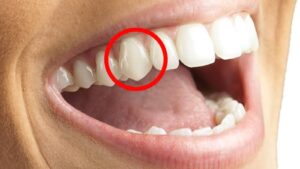
It might sound surprising, but the short answer is yes: tooth decay can spread in more ways than one. While cavities themselves don’t jump from tooth to tooth like a cold, the bacteria that cause them certainly can. In fact, these harmful microbes can even travel from one person to another, potentially increasing the risk of cavities in those around you. It’s a bit like sharing a spoon with someone who has a cold sore; the transfer of oral bacteria is more common than you’d think.
As a dentist in Mosman NSW, our team sees how quickly decay can move from one tooth to the next when it is left untreated, which is why early checks matter.
So, how does this happen, and what can you do to prevent tooth decay before it becomes a bigger issue? Let’s dive in.
What Exactly Is Tooth Decay?
Tooth decay, or dental caries, develops when harmful bacteria in the mouth consume sugary foods and release acid that wears away the tooth enamel, the outer tough protective layer of your teeth. As this erosion continues, it can result in cavities, which may gradually extend into the deeper layers of the tooth, including the dentin and eventually the pulp, if not treated promptly. When decay reaches the inner layers, you may be looking at root canals or even extractions to save the tooth.
Tooth decay typically starts in the early stages as soft spots or white patches on the enamel. At this point, it’s still possible to stop tooth decay with good habits and fluoride treatments. But once a tooth cavity forms, it won’t heal on its own.
So, Can Cavities Spread from One Tooth to Another?
 Not exactly like a wildfire, but yes, in a way, cavities spread through the actions of cavity-causing bacteria, particularly Streptococcus mutans. These bacteria thrive in a sugary, acidic environment, producing acids that weaken and dissolve the enamel. When one tooth develops a cavity, the surrounding environment becomes more hospitable to bacteria, increasing the chances that other teeth, especially those with deep chewing surfaces or poor access during brushing, may soon follow.
That’s why if you have untreated tooth decay in one part of your mouth, your risk for decay in other teeth is significantly higher.
Can Tooth Decay Spread Between People?
Absolutely, though it’s not as dramatic as it sounds. Dental professionals often call cavities “contagious” because oral bacteria can transfer from one person to another via saliva. This happens through:
- Sharing utensils or straws
- Kissing
- Blowing on a child’s food
- Putting a dummy (pacifier) in your mouth before giving it to a baby
This is especially important for young children, who often acquire cariogenic bacteria like S. mutans from their caregivers early in life. Once these bacteria colonise a child’s mouth, the risk of early dental cavities increases.
The Real Culprit: Poor Oral Hygiene and Diet
While tooth decay involves bacteria, the real issue lies in poor oral hygiene and lifestyle habits that allow these bacteria to flourish. Here are some key contributors:
1. Poor Oral Hygiene
Infrequent brushing and flossing let plaque, a sticky film full of bacteria, build up on your teeth. If not removed, plaque hardens into tartar, creating a home for bacteria to thrive and attack your tooth’s enamel.
2. Sugary and Acidic Foods
Sugary foods, citrus fruits, and acidic foods feed cavity-causing bacteria, accelerating enamel breakdown. Frequent snacking can also reduce saliva production, making it harder for your mouth to neutralise acids and kill germs.
3. Dry Mouth and Low Saliva
Saliva plays a major role in protecting your teeth by washing away food debris and neutralising acids. Low saliva production increases the risk of dental caries.
📖 People also read about:
Signs You Might Be in the Early Stages of Tooth Decay
It’s possible to stop tooth decay in its tracks if you catch it early. Keep an eye out for:
- White or chalky spots on your tooth enamel
- Sensitivity to sweet, hot, or cold food
- Mild discomfort when chewing
- Roughness on the tooth surface
When the early stages of tooth decay are noticed, fluoride treatments or improved oral care can often reverse the damage before a tooth cavity forms.
What Really Happens When You Ignore Tooth Decay?
Untreated tooth decay can progress rapidly. As decay worsens, it can: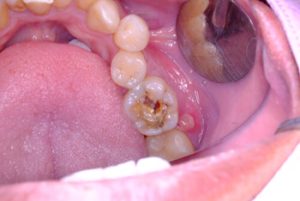
- This leads to painful toothaches
- Cause infection or abscess
- Spread to the pulp, requiring a root canal
- Damage surrounding teeth
- Result in gum disease and even bone loss
In extreme cases, the infection can even affect your general health, especially in individuals with weakened immune systems.
How to Prevent Tooth Decay from Spreading
The good news is you’re not powerless. There are many ways to prevent cavities and protect your oral health. Here’s how:
1. Brush and Floss Daily
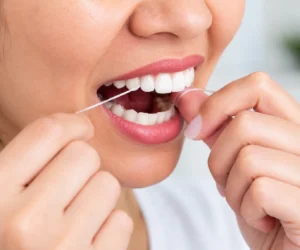
Use a fluoride toothpaste and brush at least twice a day, particularly before bed. Flossing removes plaque between back teeth, where most cavities tend to develop.
2. Chew Sugar-Free Gum
Chewing sugar-free gum after eating boosts saliva flow, which helps wash away food particles and neutralise harmful acids in the mouth.
3. Rinse with Fluoride Mouthwash
Fluoride helps remineralise weakened enamel and prevent cavities. It’s a simple and effective way to protect your teeth, especially in areas brushing might miss.
4. Choose Fluoridated Drinking Water
Tap water that contains fluoride provides a consistent, low-level defence against dental caries throughout the day.
📖 People also read about:
5. Limit Sugary and Acidic Foods
Try to cut down on lollies, fizzy drinks, sticky snacks, and acidic fruits. If you do indulge, drink water or chew sugar-free gum afterwards to help neutralise acids.
6. Schedule Regular Dental Visits
Routine check-ups enable your dentist to detect early stages of tooth decay and intervene before serious problems develop. Treatments like fluoride treatments or dental sealants may also be recommended.
7. Consider Dental Sealants
Dental sealants are thin protective coatings applied to the chewing surfaces of molars. They create a barrier that keeps food and bacteria out of deep grooves, which are prone to decay.
Is There a Connection Between Cavities and Cold Sores?
Cold sores are triggered by the herpes simplex virus, not by the bacteria responsible for tooth decay. However, the immune suppression from an active cold sore might make it easier for harmful bacteria to thrive in your mouth. While they’re not directly linked, it’s still wise to maintain good oral hygiene during an outbreak.
💡 Need help?
We offer professional smile gallery to help you achieve your goals.
Are Cavities Contagious? A Closer Look
The idea that cavities are contagious isn’t a myth. While the physical hole in the tooth doesn’t transfer, the oral bacteria responsible for decay certainly can. This is particularly important in families or households where utensils, cups, or toothbrushes are commonly shared.
Parents and caregivers should be mindful of sharing food or kissing babies on the lips, especially if they have poor oral hygiene or untreated tooth decay.
Cavity Care for All Ages
 Tooth decay doesn’t discriminate; it affects children, teens, and adults alike. However, children are especially vulnerable because their tooth enamel is thinner, and they may not yet have solid brushing habits.
Cavity care in kids includes:
- Supervising brushing with fluoride toothpaste
- Avoiding frequent snacks or drinks with sugar
- Giving water in sippy cups instead of juice
- Applying dental sealants as soon as molars erupt
- Encouraging fluoridated drinking water
FAQs About Tooth Decay and Cavity Spread
Can kissing cause cavities to spread?
Yes. The bacteria that lead to cavities can be transferred via saliva, including through kissing.
Can one bad tooth affect others?
Absolutely. Untreated tooth decay can raise the risk of decay in nearby teeth.
Are cavities contagious between children?
They can be. Sharing utensils, drinks, or toys that go in the mouth can transfer oral bacteria.
Can I catch a cavity from my partner?
Not the cavity itself, but yes, cavity-causing bacteria can be transferred through shared saliva.
How long does it take for decay to spread?
It varies. In some cases, it can take months or years. In others, decay progresses rapidly, especially with poor diet or poor oral hygiene.
Final Thoughts: Keep Decay at Bay
So, can tooth decay spread? Yes, both within the mouth and from one person to another through bacteria. That doesn’t mean you need to panic every time someone offers to share their spoon, but it does mean you should stay on top of your oral hygiene and limit behaviours that allow bacteria to flourish.
If you’re concerned about cavities, want to stop decay in its tracks, or simply need expert guidance on caring for your teeth, contact Advanced Dental Care Mosman at (02) 9969 3982 to book your consultation. Our friendly team is here to help you and your family maintain strong, healthy smiles for life.
References
- Cleveland Clinic. (n.d.). Sealants. https://my.clevelandclinic.org/health/treatments/10912-sealants
- Oral Health Foundation. (n.d.). Sugar-free chewing gum. https://www.dentalhealth.org/benefits-of-sugar-free-chewing-gum
- Mayo Clinic. (n.d.). Cavities: Symptoms and causes. https://www.mayoclinic.org/diseases-conditions/cavities/symptoms-causes/syc-20352892