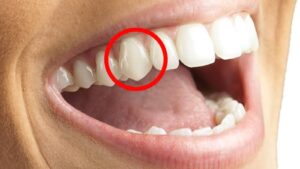
Root canal therapy is one of the most effective ways to save a tooth that’s been badly damaged by decay, trauma, or infection. But how often do people actually get root canals throughout their lives? And does age play a role in how likely someone is to need this treatment?
At our Mosman dental clinic, we treat patients of all ages who need root canal therapy, and the reasons behind it tend to change from one life stage to the next.
In this blog, we’ll explore the average number of root canals by age, the factors that influence those numbers, and what that means for your oral health at every stage of life.
Why Do People Need Root Canals in the First Place?
A root canal is needed when the pulp inside a tooth, which is the soft tissue housing nerves and blood vessels, becomes inflamed or infected. This often occurs as a result of deep cavities, untreated tooth decay, cracks, trauma or repeated dental procedures and can lead to a condition called irreversible pulpitis.
If not treated, the infection may spread and result in abscesses, more severe decay, or even the loss of the tooth. That’s why root canal treatment is essential. It helps preserve the natural tooth, remove the infection, and relieve pain, all while avoiding an extraction.
The Root Canal Procedure at a Glance
A root canal procedure involves:
- Numbing the area so the patient doesn’t feel pain
- Removing the infected or inflamed pulp
- Cleaning and shaping the canals inside the root
- Filling the canals with a material like gutta-percha
- Sealing the tooth and placing a crown for protection
The success rate of this treatment is high, especially when done promptly and followed up with good dental care.
So, What’s the Average Number of Root Canals by Age?
While there’s no one-size-fits-all answer, research and clinical observations provide some insight into how the number of root canals varies across different age groups.
📖 People also read about:
Let’s look at the general trends:
Children and Teenagers (Ages 6–18): Low but Not Zero
- Average number of root canals: 0–1
- Reasons: Most kids and teens don’t get root canals unless there’s severe tooth decay, trauma, or untreated cavities.
- Key factors: Accidents during play, poor brushing habits, or not getting minor parental intervention early enough can increase the risk.
Although rare, younger individuals can need endodontic care, especially if baby teeth or early adult teeth suffer fractures or decay. Dental issues in this group are often preventable with proper oral hygiene and regular dental checkups.
Young Adults (Ages 19–35): The Numbers Begin to Climb
- Average number of root canals: 1–2
- Reasons: Lifestyle factors like poor diet, oral bacteria, missed dental appointments, and late detection of decay can all lead to more frequent root canals.
- Key concerns: This age range is often marked by busy lives, higher sugar consumption, and less attention to oral health, all of which contribute to more dental problems.
In this age group, many people may not immediately seek care when they feel pain, allowing issues to escalate and resulting in the need for a root canal.
📖 People also read about:
Middle Age (Ages 36–55): Peak Period for Root Canal Therapy
- Average number of root canals: 2–4
- Why it increases: Years of wear and tear, old fillings, untreated cavities, or further decay under ageing restorations begin to take their toll.
- Factors influencing treatment: People in this middle age bracket are more likely to undergo dental work to avoid extractions and preserve their natural teeth.
This age group sees the highest frequency of root canals performed, often as a result of cumulative dental wear, previous dental work failing, or delayed treatment of minor issues.
💡 Need help?
We offer professional dental implants mosman to help you achieve your goals.
Older Adults (Ages 56+): A Decrease, But Not Out of the Woods
- Average number of root canals: 1–3 (many may have had several already)
- Reason for decline: Many older individuals have had problem teeth extracted earlier in life, reducing the number of roots that require treatment. In some cases, fewer teeth mean fewer canals to treat.
- Common issues: Cracks, worn-out crowns, and leaking ageing restorations can still cause infection or pain, often requiring treatment with a root canal procedure.
Despite the decrease, this age group often presents unique challenges due to ageing tooth structure and overall dental health.
Factors That Influence the Number of Root Canals
The number of root canals a person might need isn’t just about age. Several other key factors play a role:
- Oral Hygiene Habits: Inadequate brushing and flossing can lead to plaque buildup and tooth decay, allowing bacteria to reach the pulp and cause infection.
- Genetics: Some people naturally have more brittle teeth or deeper grooves that are harder to clean.
- Access to Dental Care: Delayed or inconsistent dental visits increase the chance of small problems becoming major ones.
- Diet: High sugar intake leads to more cavities, increasing the chance of needing root canal therapy.
- Previous Dental Work: Older fillings, crowns, or bridges can fail over time, exposing the pulp to infection.
- Trauma: A blow to the face or fracture from chewing hard foods can damage a tooth even without visible cracks.
The Importance of Preventing Root Canals
Root canal treatment is a trusted and effective method to save a damaged tooth, though preventing the problem in the first place is always the best approach. To reduce your risk of needing endodontic care, consider:
- Brushing and flossing daily
- Visiting your dentist every six months
- Eating a balanced diet low in sugar
- Using a customised mouthguard if you tend to grind your teeth or play contact sports
- Replacing old fillings and crowns before they fail
Final Thoughts: Root Canals Are a Signpost, Not a Sentence
 Getting a root canal is not a sign of failure. It’s a chance to treat, preserve, and protect your dental health for the future. Understanding the average number of root canals by age gives you insight into when people typically face these challenges and, more importantly, how to stay ahead of them.
If you’re experiencing persistent pain, swelling, or sensitivity, don’t wait. Contact Advanced Dental Care Mosman at (02) 9969 3982 to book your consultation and understand whether a root canal might be the best next step.
Staying on top of your oral health today means fewer surprises in the years to come.
Note: Any surgical or invasive procedure carries risks. Before proceeding, you should seek a second opinion from an appropriately qualified health practitioner.
References
- Cleveland Clinic. (n.d.). Root canal. https://my.clevelandclinic.org/health/treatments/21759-root-canal
- Healthline. (n.d.). What is plaque?. https://www.healthline.com/health/dental-and-oral-health/plaque
- Mayo Clinic. (n.d.). Bruxism (teeth grinding). https://www.mayoclinic.org/diseases-conditions/bruxism/symptoms-causes/syc-20356095