If you’re considering dental implants, chances are you’ve already done some research on the procedure itself. You know they’re a long-term solution for missing teeth, they look natural, and they can restore your confidence and quality of life. But there’s one question that almost everyone asks: are dental implants covered by health insurance?
A dentist Mosman team can give you the item numbers for your treatment plan, so you can check with your health fund what will be covered.
It’s a fair question. Dental implants represent a significant investment in your oral health, and understanding what your private health insurance might contribute can make all the difference when planning your treatment. The answer isn’t always straightforward, but this guide will help you understand exactly what to expect from your health fund.
Understanding Dental Implant Coverage in Australia
Let’s start with the basics. Medicare, Australia’s public healthcare system, does not cover dental implants for most adults. Dental care under Medicare is extremely limited and generally only applies to specific circumstances, such as certain chronic conditions or hospitalisations.
If you have private health insurance with extras cover, you may be eligible for some level of rebate. The key word here is “some.” While dental implants are often classified as a major dental treatment, the amount your health fund will contribute varies considerably depending on your policy level, your insurer, and the specifics of your treatment plan.
How Private Health Insurance Treats Dental Implants
Private health insurance policies in Australia typically divide dental coverage into two categories: general dental and major dental. General dental usually covers preventative care like check-ups, cleans, and basic fillings. Major dental covers more complex procedures such as crowns, bridges, root canals, and dental implants.
Most insurers classify dental implants as major dental work. This means you’ll need a higher level of extras cover to receive any benefit. Even then, private
health funds rarely cover the entire cost of dental implant treatment. Instead, they provide a partial rebate based on your annual limits and any sub-limits that apply specifically to implants.
What Factors Affect Your Coverage?
Several factors determine how much your health insurance will contribute towards dental implants:
1. Your Policy Level: Basic or mid-tier extras policies may offer little to no coverage for implants. Comprehensive top-tier extras are more likely to provide meaningful rebates.
2. Waiting Periods: Most major dental treatments, including dental implants, come with a 12-month waiting period. If you’ve recently upgraded your policy or taken out new cover, you may need to wait before you can claim.
3. Annual Limits: Every extras policy has an annual cap on how much you can claim for dental services. This limit applies across all dental treatments, so if you’ve already used a portion of your benefit for other procedures, your implant rebate may be reduced.
4. Sub-Limits for Implants: Some insurers impose specific sub-limits on dental implants, meaning they’ll only cover up to a certain amount per implant or per year, regardless of your overall dental cap.
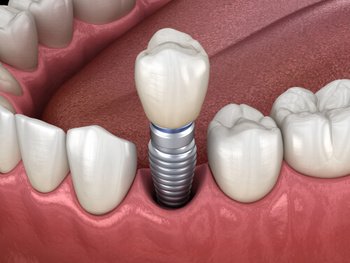
5. What’s Included in the Procedure: A complete dental implant treatment involves multiple stages. The titanium implant post is surgically placed into your jawbone, followed by the abutment (connector piece), and finally the crown (visible tooth). Some funds may only cover certain components, such as the crown, while excluding the surgical placement or implant post.
What to Ask Your Health Fund
Before committing to dental implant treatment, contact your insurer directly. In our experience helping patients navigate insurance claims, having specific information upfront prevents surprises down the track.
📖 People also read about:
Here are the key questions to ask:
1. Is dental implant surgery covered under my current policy?
2. What is my annual limit for major dental, and how much have I used this year?

3. Are there specific sub-limits or caps on dental implants?
4. Do waiting periods apply to my coverage?
5. Which parts of the implant procedure are covered (surgery, implant post, crown)?
6. Will additional procedures like bone grafting or tooth extractions be covered?
Having this information will help you budget accurately and avoid any unexpected out-of-pocket costs.
Understanding Out-of-Pocket Costs
Even with comprehensive private health insurance, you’ll almost certainly have gap payments. Depending on your policy, you might be responsible for:
 Initial consultation and diagnostic imaging (such as 3D scans)
A portion of the surgical fees
The cost of the implant components
Anaesthesia or sedation fees
Follow-up appointments and adjustments
At Advanced Dental Care Mosman, Dr Priya provides detailed treatment plans and cost estimates so you know exactly what to expect. We can also provide item numbers and quotes that you can submit to your health fund for pre-approval, giving you clarity before you proceed.
Maximising Your Health Fund Benefits
If your health insurance does offer coverage for dental implants, here are a few strategies to maximise your benefits:
1. Time Your Treatment Wisely: Many policies reset annually. If you’re close to your limit for the current year, you might choose to schedule part of your treatment in the new calendar year to access a fresh benefit cap.
📖 People also read about:
2. Check for Rollover Benefits: Some insurers allow unused benefits to roll over, increasing your limit the following year. Confirm whether your fund offers this feature.

3. Combine Family Benefits: If you’re on a family or couples policy, check if you can combine benefits for larger treatments.
4. Review Your Policy Annually: If dental implants are in your future, consider upgrading your extras cover during your next review period. Just keep in mind that waiting periods will apply.
Why Dental Implants Are Worth the Investment
While the upfront cost may seem substantial, dental implants offer unmatched long-term value. Unlike dentures or bridges, implants integrate with your jawbone through a process called osseointegration, creating a permanent, stable foundation that functions just like natural teeth. This prevents bone loss, protects neighbouring teeth, and restores full chewing function.
💡 Need help?
We offer professional dental implants mosman to help you achieve your goals.
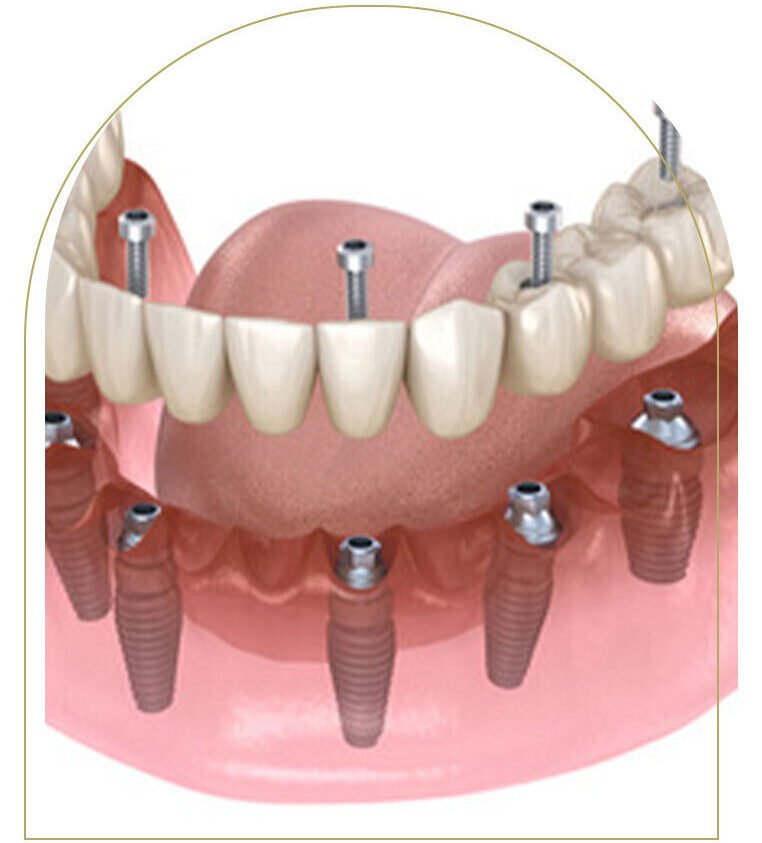
Dr Priya Shanmugalingam is a Fellow of the International Congress of Oral Implantologists and a member of the Australian Society of Implant Dentistry. With over 20 years of experience in implant dentistry and advanced training through the Brener Implant Institute and California Implant Institutes All-on-4 externship, she brings precision and expertise to every procedure. Her approach focuses on creating personalised treatment plans that deliver long-lasting results for patients throughout Mosman and Sydney’s Lower North Shore.
Alternatives and Payment Options
If your health insurance doesn’t cover dental implants, or if the gap payment is still a concern, there are other options available.
1. Payment Plans: Many dental clinics, including Advanced Dental Care Mosman, offer flexible payment plans that allow you to spread the cost over time without the burden of a lump sum payment.
2. Superannuation Access: In certain circumstances, such as severe dental issues affecting your health, you may be able to access your superannuation early on compassionate grounds. Speak with your GP and super fund about this option.
3. Consider Alternatives: Depending on your situation, other restorative options like bridges or dentures might be suitable. While they don’t offer the same permanence as implants, they may be more affordable and still covered under lower-tier policies. During your consultation, we’ll discuss all available options to help you choose what works best.
Next Steps: Book Your Consultation
Understanding your insurance coverage is just one piece of the puzzle. The most important step is finding out whether dental implants are the right solution for your specific needs.
During a consultation at Advanced Dental Care Mosman, Dr Priya will assess your oral health using 3D imaging technology and create a personalised treatment plan tailored to your goals. Whether you’re replacing a single tooth or need a more comprehensive restoration, our team is here to guide you through every stage of the process, from insurance queries to post-treatment care. Contact us today to schedule your consultation and take the first step towards a confident, complete smile.
Key Takeaways
1. Medicare does not cover dental implants for most Australians
2. Private health insurance may provide partial rebates under major dental coverage
3. Coverage depends on your policy level, waiting periods, annual limits, and sub-limits
4. Always contact your insurer before treatment to understand your benefits
5. Out-of-pocket costs are common, even with comprehensive cover
6. Payment plans and alternative options are available to make treatment more accessible
Final Thoughts
Navigating health insurance for dental implants can feel overwhelming, but you don’t have to figure it out alone. At Advanced Dental Care Mosman, we’re committed to providing transparent, personalised care that puts your needs first. With Dr Priya’s expertise and our patient-focused approach, you can feel confident that you’re choosing the right path for your oral health and your future.
Ready to restore your smile? Get in touch with our friendly team and let’s start the conversation today.