A damaged tooth can make everyday activities like eating and speaking uncomfortable. Ignoring the problem may lead to more serious issues, but a simple solution exists. What is a tooth filling? It’s a treatment designed to restore function and protect your tooth from further damage. The process is quick, effective, and tailored to suit different needs. With several options available, choosing the right one depends on various factors. Understanding how this treatment works can help you make the best decision for your smile.
What Is a Dental Filling and Why Might You Need One?
A tooth cavity can develop when decay weakens the enamel, creating small openings in the surface. If left untreated, the damage can worsen, affecting deeper layers of the tooth. dental fillings help restore the affected area, preventing further deterioration while maintaining normal function. Addressing tooth decay early ensures a stronger, healthier smile.
What Are the Different Types of Tooth Fillings?
Restoring a damaged tooth requires choosing the right filling, but with so many options available, it’s important to understand what sets them apart. Different materials offer unique benefits, affecting durability, appearance, and overall suitability based on individual needs.
Dental Amalgam as a Long-Lasting Option
Used for many years, this material is known for its strength and durability. It consists of a blend of metals, including mercury, silver, tin, and copper, creating a hard-wearing restoration. These amalgam fillings are often placed in molars where strong chewing forces are applied. They are resistant to wear, making them a reliable choice for those needing a sturdy solution. While their dark colour may be noticeable, their longevity often makes them a practical option.
Composite Fillings for a Natural Look
These fillings blend seamlessly with surrounding teeth, making them a preferred choice for front or visible areas. The material is applied in layers and hardened using a special light, ensuring a strong bond. Composite resin offers a balance of strength and aesthetics, providing a natural-looking result. Although not as resistant to wear as metal-based alternatives, they are widely used due to their ability to match natural tooth shades. Their versatility allows them to be shaped and polished for a smooth and discreet finish.
Porcelain Fillings for Strength and Appearance
Designed for durability and aesthetics, porcelain fillings are crafted in a dental lab and bonded to the tooth. This material resists stains better than other options, maintaining a bright and natural appearance over time. They are custom-made to fit precisely, ensuring a strong and long-lasting result. While they can be more costly than other choices, their durability and ability to blend with natural teeth make them appealing. Many prefer them for their balance of function and cosmetic appeal.
Glass Ionomer Cement as a Protective Option
This material is often used in cases where fluoride release is beneficial, helping to protect the tooth from further decay. It adheres directly to the tooth, reducing the need for additional bonding agents. Though not as strong as other options, it is frequently used for fillings in areas that do not endure heavy chewing forces. Over time, it can wear down more quickly than other materials, making it more suitable for temporary or smaller restorations. It is a practical choice for those needing a straightforward solution with added protective benefits.
Gold or Porcelain Filling for Durability
Gold is valued for its durability, withstanding years of wear without breaking down. A gold or porcelain filling is custom-made for an exact fit, ensuring a secure restoration. Though gold fillings are more visible, their longevity makes them a reliable choice for those who prioritise strength. Porcelain offers a natural look while maintaining a high level of durability. Both options are well-regarded for their long-term performance.
Factors That Influence Tooth Filling Cost
Pricing depends on the filling material used, the complexity of the procedure, and the location of the affected tooth. More durable materials, such as gold or lab-made restorations, generally cost more due to their precision and longevity. Simpler options like tooth-coloured fillings or composite tend to be more affordable, especially for smaller repairs. Tooth filling costs can also be influenced by the extent of decay and whether additional treatments are needed. Understanding these factors can help in selecting the most suitable option for long-term dental health.
Choosing the right dental restorations depends on personal needs, durability, and appearance preferences. Each material offers unique benefits, making it essential to explore options before deciding on the most suitable solution.
📖 People also read about:
What Does the Tooth Filling Process Involve?
Restoring a tooth with a filling involves multiple steps designed to protect and strengthen its structure. Understanding each stage of the dental filling procedure can help ease concerns and ensure a smooth experience.
Tooth Preparation Before a Filling
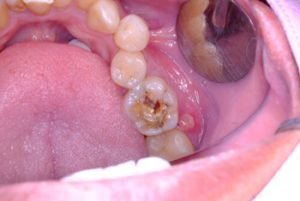 The process begins with an examination to assess the extent of the damage. The dentist may use an instrument to check for soft areas in the enamel, indicating decay that needs to be removed. Once the affected portion is identified, the area is numbed to ensure comfort during treatment. A drill or laser is then used to carefully remove the decayed part, preventing further damage. Cleaning follows to ensure no debris remains before moving to the next step.
Placement of the Filling
Once the tooth is cleaned, the selected dental filling material is applied in layers. Each layer is hardened using a curing light, which helps bond the filling securely to the tooth. For metal-based fillings, the material is shaped before it fully sets, ensuring a snug fit. Composite and other resin-based fillings require careful layering to create a natural look while maintaining durability. This step ensures that the restoration blends seamlessly with the surrounding structure.
Shaping and Adjusting the Filling
To achieve a natural look, the dentist carefully adjusts and shapes the material to fit the tooth’s original form. The goal is to ensure that the filling does not interfere with biting or chewing. A dental tool is used to refine the shape, making slight adjustments for comfort. The dentist carefully polishes the filling, creating a smooth surface that avoids irritation in the mouth. This step is essential for creating a natural feel and ensuring the restoration functions properly.
Additional Customisation for Certain Fillings
Some restorations, such as those made from porcelain or gold, are crafted outside the clinic. In these cases, an impression of the tooth structure is taken and sent to a dental laboratory. A temporary filling may be placed to protect the area while the permanent restoration is being made. Once the final piece is ready, it is bonded to the tooth using a specialised adhesive. This method ensures a precise fit while maintaining durability.
📖 People also read about:
Final Bite Assessment
Before completing the procedure, the dentist assesses the bite to ensure proper alignment. This involves asking the patient to gently close their mouth and check for any discomfort. If the filling sits too high, minor adjustments are made to prevent uneven pressure. The goal is to create a comfortable, natural bite that does not interfere with normal chewing. A final polish ensures a smooth surface, completing the process.
Each step of the procedure is carefully performed to restore function and appearance. Whether using a direct or lab-made filling, the process ensures a secure and lasting result.
What Are the Advantages of Getting a Tooth Filling?
Restoring Strength to the Tooth
A filling helps reinforce a tooth that has been weakened by decay or minor damage. By sealing the affected area, it prevents further structural breakdown and restores normal function. The material used for the filling bonds with the remaining tooth structure, creating a durable and long-lasting repair. This added strength allows the tooth to handle everyday activities without discomfort. A properly placed filling helps maintain the natural integrity of the tooth for a long time.
Preventing Further Decay
Once a tooth develops decay, it can spread if left untreated. A filling stops this process by sealing off the area where bacteria could continue to grow. This protective barrier reduces the risk of additional cavities forming in the same spot. Without treatment, decay can worsen, leading to deeper infections that require more complex procedures. A filling provides a straightforward solution that prevents minor issues from becoming major concerns.
💡 Need help?
We offer professional book a consultation to help you achieve your goals.
Preserving Natural Tooth Structure
Unlike other restorative options, fillings allow for the preservation of most of the healthy tooth. Only the affected portion is removed before the filling is placed, ensuring minimal alteration to the natural shape. This approach helps maintain the tooth’s original strength while providing necessary reinforcement. Retaining as much of the natural tooth as possible supports long-term oral health. The ability to restore without excessive removal makes fillings a practical and effective solution.
Enhancing Comfort and Function
A damaged tooth can cause discomfort, especially when exposed to hot, cold, or sweet foods. A filling helps eliminate this sensitivity by covering the affected area. Once placed, it restores a smooth and even surface, making chewing and speaking more comfortable. By filling in gaps left by decay, it prevents food particles from getting trapped, reducing irritation. This improvement in daily function makes eating and drinking a more enjoyable experience.
Providing a Natural and Aesthetic Solution
Modern filling materials offer a natural appearance that blends with surrounding teeth. Tooth-coloured options, such as composite fillings, provide a discreet way to restore teeth without noticeable metal components. This is particularly beneficial for front teeth or visible areas where aesthetics matter. The ability to customise the shade ensures a seamless finish that complements the rest of the smile. Choosing a filling that matches natural teeth allows for both function and appearance to be restored effectively.
Offering a Cost-Effective and Reliable Treatment
 Fillings provide an affordable way to address minor damage before it escalates into a more serious problem. Treating a small cavity with a filling is far less costly than procedures like crowns or root canal therapy. Since they can last for many years with proper care, fillings offer long-term value. Addressing damage early not only saves money but also helps avoid the need for more extensive treatments later on. This makes fillings a practical investment in both dental health and overall well-being.
By strengthening the tooth, preventing further decay, and restoring natural function, fillings provide an effective and lasting solution. Choosing this treatment helps maintain oral health while ensuring a comfortable and aesthetically pleasing result.
Protect Your Smile from Further Damage
A filling does more than repair damage—it helps keep your tooth strong, functional, and free from further issues. Whether you have a cavity or a minor chip, addressing the problem early can prevent complications and discomfort. Modern fillings blend seamlessly with natural teeth, ensuring both durability and an improved appearance. A properly placed filling supports the tooth’s structure, allowing for comfortable chewing and daily function without worry. With the right care, it can last for years, providing protection and stability for your smile.
Delaying treatment can lead to more extensive procedures, making timely care the smarter choice. If you need expert advice on the right solution for your smile, we’re here to help. Please call us at (02) 9969 3982 to schedule an appointment and take the first step toward a healthier tooth.
References
https://www.colgate.com/en-in/oral-health/fillings/what-is-a-filling
https://www.news-medical.net/health/Dental-Filling-Procedure.aspx