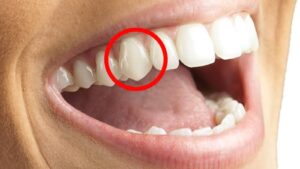
A cracked, broken, or severely worn-down tooth does not mean the end of your natural smile. Thanks to modern dental treatments, dental crowns offer a reliable solution to restore your tooth’s shape, strength, and function. Whether you’re dealing with a damaged or decayed tooth, an irregularly shaped tooth, or recovering after a root canal treatment, a dental crown can be an essential step in your dental restoration journey.
A dentist Mosman team can help you compare crown materials, because the right choice depends on where the tooth sits and how much biting force it takes.
But with so many options available, how do you choose the right type of crown? And what will it cost? Let’s take a closer look at the various types of dental crowns and cost factors, helping you make a confident and informed choice with your dentist.
What Are Dental Crowns?
Dental crowns, often referred to as tooth caps, are custom made restorations that fit over a damaged or decayed tooth. They are crafted to mimic the shape, size, and colour of your natural teeth while restoring strength, function, and appearance.
Crowns are mainly recommended when a tooth is:
- Too damaged for a filling
- Severely decayed
- Worn down or cracked
- Weak after a root canal
- Filling the gap of a missing tooth using a dental bridge
Crowns can be used on both front and back teeth, depending on your dental needs and aesthetic preferences.
Why Do You Need a Crown?
Every dental crown treatment is designed to solve a unique dental issue. Some common reasons include:
- Protecting a weak tooth from further damage
- Restoring a damaged or decayed tooth
- Covering a tooth that has had a large filling
- Enhancing the look of teeth that are uneven in shape or have become discoloured
- Supporting a dental bridge
- Covering a dental implant
- Enhancing the overall look of your smile
No matter the reason, the type of dental crown you choose can make a big difference in your outcome.
The Different Types of Dental Crowns Explained
Selecting the most suitable crown involves considering several factors, such as where the tooth is located, how much strength is required, your aesthetic goals, and your budget. Let’s break down the most common types of dental crowns.
1. Porcelain Fused to Metal Crowns (PFM)
Best for: Back teeth and those needing a balance between strength and aesthetics
These crowns offer the durability of a metal foundation paired with a tooth coloured porcelain outer layer for a more natural look. They are a popular option for restoring back teeth because they withstand strong chewing forces while still maintaining a natural appearance.
Pros:
- Strong and durable
- Natural colour match
- Less expensive than all porcelain crowns
Cons:
- It may show a dark line near the gum over time
- Porcelain may chip if not cared for properly
2. All-Ceramic or Porcelain Crowns
Best for: Front teeth and visible areas
These crowns are prised for their natural colour and excellent aesthetic appeal. Made entirely of porcelain or other ceramic materials, they blend in beautifully with your surrounding teeth and are metal free, making them ideal for those with metal allergies.
Pros:
- Excellent for visible teeth
- Natural colour match
- Biocompatible
Cons:
- Less durable than metal crowns
- It may wear down opposing teeth over time
3. Zirconia Crowns
Best for: Those who want durability and aesthetics
Zirconia is a type of advanced ceramic that is incredibly strong and fracture-resistant. These crowns are often chosen for both back and front teeth, thanks to their durability and pleasing look.
Pros:
- Extremely durable
- Natural appearance
- Suitable for patients with metal sensitivities
Cons:
- It can be abrasive to surrounding teeth if not polished properly
- It may be more costly than other types
4. Gold Crowns (All Metal Crowns)
Best for: Back teeth and those prioritising strength over appearance
Made from a metal alloy that includes gold, these crowns are known for their long lifespan and unmatched strength. Although they do not blend in with natural teeth, they are gentle on opposing teeth and rarely chip.
Pros:
- Highly durable
- Minimal tooth structure removal
- Long lasting
Cons:
- Noticeable due to the gold colour
- Not suitable for visible teeth
- Higher material cost
5. Stainless Steel Crowns
Best for: Children or temporary use in adults
These are prefabricated crowns used primarily in paediatric dentistry to protect baby teeth or as a temporary crown on a permanent tooth until the final crown is ready.
📖 People also read about:
Pros:
- Cost effective
- Quick and easy to place
- Ideal for temporary solutions
Cons:
- Not aesthetically pleasing
- Not custom-fitted like permanent crowns
6. Resin Crowns
Best for: Temporary use or budget-conscious patients
Resin crowns are crafted from composite resin and are typically used as a temporary solution while your permanent crown is being prepared at the dental lab.
Pros:
- Inexpensive
- Quick solution
Cons:
- Less durable
- Prone to wear and fracture
 How Much Do Dental Crowns Cost in Australia?
In Australia, the price of a dental crown can differ depending on factors such as the crown type, the materials selected, the location of the dental clinic, and whether it is included in a more comprehensive treatment plan.
What Affects the Cost of a Crown?
There is no one-size-fits-all answer to tooth crown cost because each patient’s needs are unique. Here are the main factors:
1. Crown Material
Porcelain, zirconia, gold, and metal alloys all come with different price tags based on their durability, look, and cost of manufacturing.
2. Type of Crown
Some crowns, like porcelain fused to metal or zirconia, require more advanced technology and skill to make, which can increase cost.
3. Dental Laboratory
High-quality crowns are often made in reputable dental laboratories, which ensures a better fit and aesthetics but may be more expensive.
4. Additional Procedures
If you need additional dental treatments like root canal therapy, core buildup, or temporary crowns, these will add to your total cost.
📖 People also read about:
5. Location
Dental crown prices may be higher in metro areas or prestigious dental practices where operational costs are higher.
6. Dental Insurance
Depending on your coverage, a portion of your dental crown treatment may be covered, especially if the crown is medically necessary.
A Quick Look at the Dental Crown Procedure with CEREC Technology
With traditional crowns, the process usually takes two visits. But thanks to CEREC (Chairside Economical Restoration of Esthetic Ceramics) technology, getting a dental crown can now be done in just one appointment.
Here’s how it works:
- Examination and Preparation
Your dentist begins by examining the damaged tooth and preparing it by removing any decay and reshaping it for the crown. - Digital Scanning
Instead of traditional moulds, a digital scan is taken of your tooth using advanced 3D imaging. This scan creates a precise virtual model of your mouth. - Crown Design and Milling
Your dentist uses the digital scan to design a custom crown on the spot. This design is then transferred to an in-clinic milling machine, which crafts the crown from a solid block of ceramic right in the dental practice. - Fitting and Placement
Once the crown is ready, your dentist checks the fit, makes any needed adjustments, and securely bonds it to your tooth, all within a single visit.
CEREC crowns are strong and natural-looking and save you from multiple appointments and temporary crowns.
💡 Need help?
We offer professional dental implants mosman to help you achieve your goals.
How to Take Care of Your Dental Crown
A crown may be strong, but it still requires proper oral care and regular dental checkups to ensure longevity.
Tips for maintaining your crown:
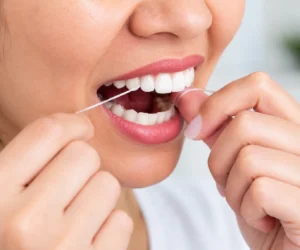
- Brush your teeth twice a day and gently floss around the crown to help prevent plaque from building up in the area.
- Try to avoid chewing hard foods such as ice or nuts on the crown to prevent damage or cracks.
- Wear a customised night guard if you grind your teeth.
- Make sure to see your dentist regularly for routine checkups and professional teeth cleaning to maintain your oral health.
- Do not use your teeth as tools.
Which Crown Is Best for You?
The right choice of crown depends on the following:
- Tooth location (front teeth or back teeth)
- Aesthetic expectations
- Budget
- Dental health condition
- Dentist’s recommendation
For example, a porcelain crown may be perfect for a front tooth that needs a natural colour match, while a zirconia crown might be ideal for a back tooth that endures heavy chewing forces.
An experienced dentist will help you choose a crown material that offers the right mix of strength, look, and long term value.
Frequently Asked Questions
What is the difference between a crown and a filling?
A filling repairs a small area of tooth damage or decay, while a crown covers the entire tooth to restore shape, strength, and function when a large portion is compromised. Crowns are typically used when a filling is not strong enough to support the tooth long term.
Can crowns stain or discolour over time?
While high-quality crowns are stain-resistant, the surrounding natural teeth can discolour over time, which may make the crown appear lighter. Porcelain and zirconia crowns usually maintain their colour well, especially with good oral hygiene.
What happens if I delay getting a crown after my dentist recommends one?
Delaying a crown can lead to further damage, including fractures or infection in the tooth, which might eventually require more invasive treatment like extraction or root canal therapy. Acting early often helps preserve more of your natural tooth structure.
Do I need to replace my crown in the future?
Yes, crowns are not permanent and may need to be replaced due to wear, gum recession, or changes in your bite over time. Regular dental checkups help monitor your crown’s condition so you can replace it before problems develop.
What does a temporary crown do?
A temporary crown protects your prepared tooth while your permanent crown is being made in the dental lab. It helps maintain the space, prevents sensitivity, and allows you to function normally until your final crown is ready.
Can crowns be repaired if they chip?
It depends on the extent of the damage and the crown material. Small chips in porcelain crowns can sometimes be repaired with a dental composite, but larger cracks or damage may require a full replacement. Your dentist will assess the best course of action.
Is there a risk of infection under a crown?
If a crown does not fit properly or if the underlying tooth structure is not sealed completely, bacteria can get underneath and cause decay or infection. This is why custom crowns and precise dental cementing techniques are essential for a good seal.
Final Thoughts: A Crown for Every Smile
 Choosing from the different types of dental crowns is not just about restoring a tooth. It is about preserving your natural tooth structure, enhancing your oral health, and boosting your confidence. Whether you are seeking a subtle fix or a stronger bite, there is a crown that matches your needs and preferences.
The finest results come from working with a trusted dental practice that uses advanced technology, partners with quality dental labs, and puts your smile at the centre of every decision.
With proper care, your new crown can give you a strong, healthy smile that lasts for years to come.
Thinking about restoring your smile with a dental crown? Book an appointment with your trusted dental clinic at (02) 9969 3982 to explore the most suitable crown options for your needs and get a clear understanding of the cost and care involved.
Note: Any surgical or invasive procedure carries risks. Before proceeding, you should seek a second opinion from an appropriately qualified health practitioner.
References
- WebMD. (n.d.). Dental crowns. https://www.webmd.com/oral-health/dental-crowns
- Cleveland Clinic. (n.d.). Root canal. https://my.clevelandclinic.org/health/treatments/21759-root-canal
- Colgate. (n.d.). What is CEREC in dentistry?. https://www.colgate.com/en-us/oral-health/dental-visits/what-is-cerec-in-dentistry#
- Healthline. (n.d.). Best practices for healthy teeth. https://www.healthline.com/health/dental-and-oral-health/best-practices-for-healthy-teeth
- Watson, S. (2025, January 20). Gold dental crowns. Verywell Health. https://www.verywellhealth.com/what-is-a-gold-crown-1059031