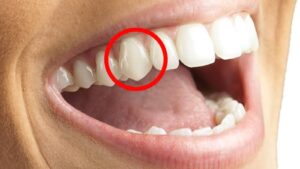
When teeth are broken, weakened, or missing, they can affect more than just your smile. Everyday tasks such as chewing, speaking, or maintaining good oral hygiene can become more difficult. Thankfully, dental crowns and bridges are long-term treatment options that restore strength and appearance, helping you keep your teeth healthy and functional.
If you are looking for the best dentist in Mosman to restore damaged or missing teeth, it helps to understand how crowns and bridges differ and when each one is used.
Understanding Dental Crowns and Bridges
 Dental crowns and bridges are individually crafted restorations designed to protect and replace teeth. A dental crown acts as a protective cover for a damaged tooth or one weakened by a large filling or root canal treatment. Meanwhile, a dental bridge is used to replace missing teeth, filling the gap created between natural teeth with a false tooth that looks and feels natural.
Both crowns and bridges are made to blend with the surrounding tooth structure, restoring strength and aesthetics while supporting long-term oral health.
When You Might Need a Crown or Bridge
Your dentist could recommend a crown or bridge if you have:
- A fractured tooth or broken tooth that needs extra protection.
- A weak tooth that risks cracking or breaking further.
- One or more missing teeth causing gaps in your smile.
- A tooth restored after root canal therapy that requires reinforcement.
- A bad bite or uneven wear on your back teeth that needs correction.
If treatment is delayed, issues like gum disease, tooth loss, or discomfort in the temporomandibular joint may arise. Addressing these concerns early can help preserve your remaining teeth and maintain a proper bite.
The Dental Bridge Procedure
The dental bridge procedure is straightforward and usually completed over two or more visits. It begins with preparing the adjacent teeth that will support the bridge. These prepared teeth act as anchors (abutments) for the false or artificial tooth that fills the space.
📖 People also read about:
Your dentist may fit a temporary crown or bridge to protect the site while the permanent version is created in a dental lab. Once ready, your dentist will ensure a proper fit and secure placement before cementing it permanently.
Because a bridge relies on existing teeth for support, those teeth must be strong and free from dental disease. For cases where the bone holding teeth is weak or there aren’t enough teeth to support the bridge, a dental implant might be considered as an alternative.
Materials Used for Crowns and Bridges
Modern crowns and bridges come in a range of materials, each designed for durability and appearance:
- Porcelain bonded to metal: Combines a strong metal shell with a tooth-coloured outer layer for a natural-looking result.
- Porcelain fused to metal alloys: Offers a balance between strength and aesthetics, suitable for both front teeth and back teeth.
- Gold and metal alloys: Known for their longevity and strength, especially for chewing areas.
- All-porcelain or ceramic: Ideal for cosmetic dentistry, giving a tooth-like shape and lifelike translucency for a seamless smile.
Your dentist will help you choose the most suitable material based on where the crown or bridge will be placed, your bite, and your aesthetic goals.
Crowns and Bridges vs. Other Options
 Crowns and bridges are fixed in place, meaning they stay secure and feel like natural teeth, unlike removable devices such as dentures, which can shift or need adhesives.
📖 People also read about:
If you’ve lost one or more teeth, your dentist may also suggest a dental implant to replace a single tooth or support a bridge. Implants are placed into the bone holding the teeth and can help protect tooth structure while preventing missing teeth, eventually leading to bone loss.
Together, these treatments restore function and appearance, allowing you to replace missing teeth and maintain a balanced bite.
Aftercare and Maintenance
To make your crowns and bridges last, caring for them properly is essential. You should:
- Brush your teeth twice a day using fluoride toothpaste to support your remaining teeth and gums.
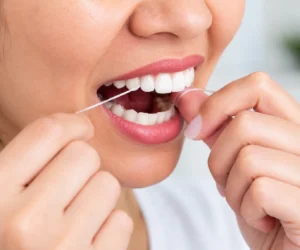
- Flossing daily to clean between the bridge cover and adjacent teeth, where food might get trapped.
- Visit your dentist regularly for professional cleaning and check-ups.
- Try to avoid chewing on hard foods or items that might harm your new crown or bridge.
With consistent good oral hygiene and professional care, crowns bridges can last for many years while keeping your teeth healthy and your smile strong.
💡 Need help?
We offer professional dental implants mosman to help you achieve your goals.
When a Crown or Bridge May Need Replacement
With time, everyday wear may start to impact your crown or bridge. Issues like chipped porcelain bonded layers, loosening around implants surrounding teeth, or decay beneath prepared teeth can occur.
If you experience sensitivity, discomfort, or notice your crown or bridge no longer fits well, your dentist may recommend repair or replacement. Catching these problems early helps protect the tooth structure underneath and avoid further complications.
A Reliable Treatment Option
 For those dealing with tooth loss, fractures, or significant wear, dental crowns and bridges remain one of the most reliable restorative solutions in modern cosmetic dentistry. They not only improve function but also restore confidence by filling empty spaces and preventing gaps left in your smile.
If you’re concerned about damaged or missing teeth or want to restore your smile with lasting, natural-looking results, book a consultation with us at Advanced Dental Care or call (02) 9969 3982 to explore your treatment choices with our experienced dental team.
Resources
Cherney, K. & McLean, A. (2025). ‘10 Ways to Keep Your Teeth Healthy’. Healthline, 13 May. San Francisco, CA: Healthline Media.
https://www.healthline.com/health/dental-and-oral-health/best-practices-for-healthy-teeth
Watson, S. (2024). ‘Gingivitis and Periodontal Disease (Gum Disease)’. WebMD, 9 February. New York, NY: WebMD LLC.
https://www.webmd.com/oral-health/gingivitis-periodontal-disease