
Your mouth is often called the window to your overall health, and for good reason. Research has shown a clear relationship between oral health and systemic diseases, meaning that conditions in your mouth can affect the rest of your body. Poor oral hygiene can lead to inflammation, infections, and bacteria that may contribute to illnesses such as heart disease, diabetes, respiratory infections, and even complications during pregnancy. Taking care of your oral health is, therefore, not just about maintaining a bright smile it’s an important step toward supporting your overall wellbeing.
Understanding the Relationship Between Oral Health and Systemic Disease
The mouth is a gateway to the body’s internal systems. When bacteria from dental plaque and gum infections enter the bloodstream, they can travel to other organs and tissues, causing inflammation or worsening existing conditions. This is why gum disease (periodontitis) is often linked to several chronic illnesses.
At Advanced Dental Care Mosman, we often remind our patients that maintaining oral health is as important as eating well and exercising. Healthy gums and teeth reduce harmful bacteria, lower inflammation, and support your immune system’s natural defences.
How Oral Health Affects the Rest of the Body
1. Heart Disease and Stroke

Gum disease and heart disease share a strong link. Bacteria from the mouth can enter the bloodstream and attach to blood vessels, contributing to the formation of plaque in the arteries. This can lead to atherosclerosis, increasing the risk of heart attack or stroke. Regular dental check-ups and good oral hygiene can help reduce these risks significantly.
2. Diabetes
The relationship between oral health and systemic diseases is especially evident in diabetes. People with diabetes are more prone to gum disease due to poor blood sugar control, and gum infections can make it harder to manage blood glucose levels. Treating gum disease can improve diabetic control, creating a positive cycle of better health.
3. Respiratory Infections
Bacteria in the mouth can be inhaled into the lungs, leading to respiratory infections such as pneumonia, especially in older adults or those with weakened immune systems. Maintaining clean teeth and gums helps reduce this bacterial load, protecting both oral and respiratory health.
4. Pregnancy Complications
Pregnant women with untreated gum disease are at higher risk of premature births and low birth weight babies. Inflammation in the gums releases chemicals that can affect the placenta. Routine dental care and professional cleaning during pregnancy can help prevent such complications.
5. Alzheimer’s Disease and Cognitive Decline
Emerging studies suggest that bacteria from gum disease may contribute to brain inflammation associated with Alzheimer’s disease. While research is ongoing, maintaining oral health could play a role in protecting long-term brain function.
📖 People also read about:
6. Rheumatoid Arthritis
There is evidence that chronic gum inflammation can trigger autoimmune responses, worsening conditions like rheumatoid arthritis. Keeping your mouth clean and infection-free may help in managing symptoms of joint inflammation.
How to Maintain Good Oral Health
- Brush twice a day using a soft-bristled toothbrush and fluoride toothpaste.
- Floss daily to remove plaque and food particles between teeth.
- Visit your dentist regularly for professional cleanings and oral examinations.
- Avoid smoking, as it significantly increases the risk of gum disease and oral cancer.
- Eat a balanced diet rich in vitamins and minerals that strengthen teeth and gums.
If you notice bleeding gums, bad breath, or loose teeth, it’s important to schedule an appointment promptly. These are early warning signs of gum disease that should not be ignored.
For personalised advice and professional care, book a consultation with Advanced Dental Care Mosman. Our experienced dental team can help you protect both your smile and your overall health.
The Role of Regular Dental Visits
Routine dental check-ups play a key role in identifying early signs of oral or systemic health issues. During your appointment, your dentist can detect problems such as gum inflammation, enamel wear, or dry mouth—all of which may point to underlying conditions like diabetes or heart disease. Early detection not only saves your teeth but also helps safeguard your general well-being.
Keep your health in check by scheduling regular preventive care at Advanced Dental Care Mosman. A simple visit can go a long way in maintaining balance between your oral and overall health.
Modern Dentistry and Preventive Care
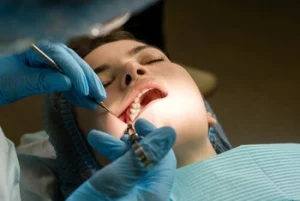
At Advanced Dental Care Mosman, we focus on preventive dentistry as the foundation of lifelong health. Using advanced diagnostic tools and gentle techniques, we aim to treat issues before they become serious. Our approach combines professional expertise with patient education, empowering you to make informed decisions about your dental and systemic health.
Whether you’re managing an existing condition or simply want to stay proactive, our team ensures your dental care supports your overall well-being.
Protect your smile and your health book an appointment with Advanced Dental Care Mosman today. Our friendly team is here to help you achieve a healthy mouth and a healthier life.
📖 People also read about:
How Often Should You Whiten Your Teeth?
There’s no fixed timeline, as it depends on your habits and the type of whitening you choose. Generally:
- In-office whitening can be repeated every 6–12 months if needed.
- Take-home kits may be used every few months for touch-ups.
- Over-the-counter products can be used occasionally, as long as you follow product directions.
Always consult your dentist before repeating any whitening procedures. Over-bleaching can damage tooth enamel, cause tooth sensitivity, and harm your gums.
The Bottom Line
 So, is teeth whitening permanent? No, but that doesn’t mean it isn’t worthwhile. Professional and at-home whitening can safely remove stains, enhance your radiant smile, and give you dramatic results that last when you care for your teeth properly.
By maintaining good oral hygiene, limiting staining foods, and attending regular dental check-ups, you can preserve your brightness for years and enjoy a confident, healthy-looking smile.
💡 Need help?
We offer professional book a consultation to help you achieve your goals.
For the longest-lasting results, always start with guidance from a dentist. They’ll tailor a treatment plan suited to your teeth and gums, ensuring both safety and success.
If you’re concerned about how long your teeth whitening results will last or want to maintain a radiant smile safely, book a consultation with us at Advanced Dental Care or call (02) 9969 3982 to receive professional advice tailored to your smile.
FAQs
1. How are oral health and systemic diseases connected?
Bacteria and inflammation from gum disease can travel through the bloodstream, affecting other parts of the body. This connection has been linked to conditions like heart disease, diabetes, and respiratory infections.
2. Can improving my oral hygiene really help my overall health?
Yes. Brushing, flossing, and regular dental visits reduce harmful bacteria and inflammation, which can positively impact your overall health.
3. Is gum disease reversible?
In its early stage (gingivitis), gum disease is reversible with proper cleaning and professional treatment. If left untreated, it can progress to periodontitis, a more serious condition that may cause tooth loss and other complications.
4. How often should I see a dentist?
It’s recommended to visit your dentist at least twice a year for routine check-ups and cleanings. Those with existing medical conditions or gum disease may need more frequent visits.
5. Are there specific signs that my oral health may be affecting my general health?
Yes. Persistent bad breath, bleeding gums, or mouth infections can signal underlying systemic issues. It’s best to have these symptoms checked by your dentist.
Moving Forward
Maintaining good oral hygiene is one of the simplest yet most effective ways to support your general health. The connection between oral health and systemic diseases shows that what happens in your mouth can influence the rest of your body. Taking preventive steps today can protect you from future health complications.
If you’re ready to prioritise your health, contact Advanced Dental Care Mosman and take the first step toward a healthier, brighter future.