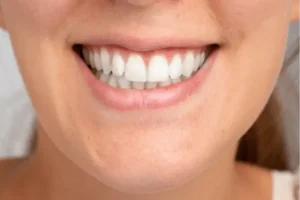
A bright, white smile can make a strong first impression and boost confidence. Many people seek teeth whitening treatments hoping for lasting results, but one common question arises, is teeth whitening permanent?
The short answer is no, teeth whitening is not permanent. However, your results can last a long time with the right care, good oral hygiene, and healthy lifestyle habits. Let’s explore why whitening doesn’t last forever, what affects its longevity, and how you can maintain your whiter smile for as long as possible.
Why Teeth Don’t Stay White Forever
Even after a successful whitening treatment, daily habits and natural processes in the mouth can cause gradual colour changes. The outer layer of your teeth, called tooth enamel, is porous, meaning it can absorb pigments from food, drinks, and other substances.
Over time, these tiny pores trap stains from everyday items like coffee, tea, or red wine and tobacco products. This results in tooth discolouration or a duller appearance.
In short, no whitening method can permanently prevent teeth from interacting with staining substances. However, some whitening treatments can provide long-lasting results when followed by consistent care.
Types of Whitening Treatments
There are several ways to whiten your teeth, each varying in strength, speed, and longevity.
1. Professional In-Office Whitening
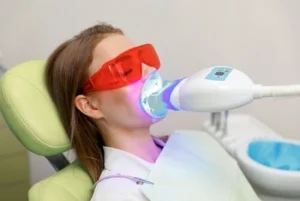 A dentist performs in-office whitening, sometimes called in-chair treatments. This method uses higher concentrations of whitening gel, often hydrogen peroxide, for quicker and more noticeable results.
Your dentist may use tools like laser whitening or light-activated technology to enhance the whitening process. These carefully supervised procedures provide safe, controlled, and dramatic results over a short period of time.
While not permanent teeth whitening, results from professional treatments can last anywhere from several months to a few years, depending on your dietary habits and oral hygiene.
2. Take-Home Whitening Kits
Some clinics offer a take home kit with custom fitted trays that hold a whitening gel similar to the one used in clinics, but in lower concentrations. You’ll wear the trays for a specific time each day, typically over a couple of weeks.
These custom made trays ensure even application and protect your gums from irritation. When used properly, they can achieve excellent and natural-looking teeth whitening results comparable to professional treatments.
📖 People also read about:
3. Over-the-Counter Products
You can also find over-the-counter or whitening product options, such as whitening toothpastes, strips, or generic whitening kit varieties.
While these are convenient and more affordable, they usually contain lower levels of bleaching agent, so the results are more subtle and take longer to appear. They can help maintain brightness between professional treatments, but aren’t as effective for deep or internal stains.
Factors That Affect How Long Whitening Lasts
Several factors influence how long your whitened teeth stay bright:
- Dietary Habits
Regularly consuming staining foods like berries, curry, and sauces or drinks such as red wine and coffee can cause stains to return faster. - Lifestyle Habits
Smoking or using tobacco products significantly discolours teeth and shortens the lifespan of whitening results. - Oral Hygiene
Failing to maintain good oral hygiene, brushing twice a day and flossing daily, allows plaque and stains to build up again. - Tooth Structure and Age
Natural ageing causes enamel to thin, revealing the yellowish dentine beneath. This makes teeth appear darker even after whitening. - Type of Whitening Treatment
Professional teeth whitening usually lasts longer than over-the-counter products, because the peroxide concentration and application method are more effective.
Managing Tooth Sensitivity After Whitening
One common side effect after whitening is tooth sensitivity. Some whitening procedures can make your teeth or gums temporarily more sensitive, especially if you already have sensitive teeth or exposed root surfaces.
To minimise discomfort:
- Use toothpaste designed for tooth sensitivity.
- Avoid very hot or cold foods for a few days after treatment.
- Ask your dentist if a fluoride gel or fluoride treatment can help strengthen tooth enamel post-whitening.
Sensitivity usually subsides within a few days, but if it persists, see your dentist to check for other underlying issues.
Can Teeth Whitening Work on All Teeth?
Not all teeth respond equally to whitening. Whitening treatments target surface stains and mild tooth discolouration, but they don’t work as effectively on certain materials or internal stains.
📖 People also read about:
For example:
- Restorations like crowns, veneers, or fillings don’t respond to whitening.
- Teeth darkened by trauma or medication might not achieve the same brightness.
- Whitening may be uneven if you have a mix of natural and restored teeth.
Your dentist can review your teeth and recommend options, such as veneers or bonding, if whitening alone won’t deliver your desired radiant smile.
Professional vs. Home Whitening: What’s Better?
 Professional teeth whitening, whether done in office or through a take home kit, provides reliable and lasting results. Dentists use higher concentrations of active ingredients, ensuring better stain removal while protecting your tooth structure and gums.
Meanwhile, home whitening options or over-the-counter products can work for mild stains or as maintenance between treatments, but they’re not a substitute for professional care.
💡 Need help?
We offer professional book a consultation to help you achieve your goals.
Most patients who combine professional treatment with at-home maintenance enjoy brighter results that last longer than using store-bought kits alone.
How Often Should You Whiten Your Teeth?
There’s no fixed timeline, as it depends on your habits and the type of whitening you choose. Generally:
- In-office whitening can be repeated every 6–12 months if needed.
- Take-home kits may be used every few months for touch-ups.
- Over-the-counter products can be used occasionally, as long as you follow product directions.
Always consult your dentist before repeating any whitening procedures. Over-bleaching can damage tooth enamel, cause tooth sensitivity, and harm your gums.
The Bottom Line
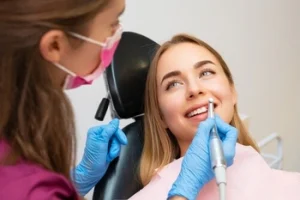 So, is teeth whitening permanent? No, but that doesn’t mean it isn’t worthwhile. Professional and at-home whitening can safely remove stains, enhance your radiant smile, and give you dramatic results that last when you care for your teeth properly.
By maintaining good oral hygiene, limiting staining foods, and attending regular dental check-ups, you can preserve your brightness for years and enjoy a confident, healthy-looking smile.
For the longest-lasting results, always start with guidance from a dentist. They’ll tailor a treatment plan suited to your teeth and gums, ensuring both safety and success.
If you’re concerned about how long your teeth whitening results will last or want to maintain a radiant smile safely, book a consultation with us at Advanced Dental Care or call (02) 9969 3982 to receive professional advice tailored to your smile.
Resources
Cherney, K., & McLean, A. (2025). ‘10 Ways to Keep Your Teeth Healthy’. Healthline, 13 May. San Francisco, CA: Healthline Media.
https://www.healthline.com/health/dental-and-oral-health/best-practices-for-healthy-teeth
WebMD Editorial Contributors. (2023). ‘Tooth Enamel Erosion and Restoration’. WebMD, 4 April. New York, NY: WebMD LLC.
https://www.webmd.com/oral-health/tooth-enamel-erosion-restoration