If your dentist has told you that you need a root canal, the first thing that might cross your mind is, “Does root canal hurt?” It’s one of the most common concerns people have, and it’s completely understandable. The thought of any dental procedure, especially one that targets the inside of the tooth, can feel a bit daunting.
But here’s the good news: modern root canal treatments are not as painful as you may think. With significant advancements in dental care, root canal therapy has become a relatively straightforward and pain-managed procedure that can save teeth and alleviate discomfort caused by infection or trauma.
Let’s break it down, so you know what to expect.
So, What Exactly Is a Root Canal?
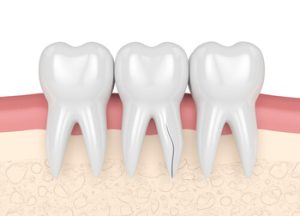 A root canal, or endodontic treatment, is a dental procedure designed to address a tooth that’s infected or has damaged pulp. The pulp is the soft core of the tooth that houses nerves, blood vessels, and connective tissue. When this area becomes infected because of deep decay, trauma, or a tooth infection, it can lead to intense pain and swelling and potentially result in tooth loss if left untreated.
During the procedure, the infected pulp tissue is carefully removed, the inside of the tooth is thoroughly cleaned and disinfected, and the space is filled and sealed to prevent the infection from returning. In many cases, a dental crown is added afterwards to restore the tooth’s shape, strength, and overall appearance.
Does Root Canal Treatment Hurt During the Procedure?
With the help of local anaesthesia, most patients say that having a root canal is no more uncomfortable than a standard filling. The tooth and surrounding area are numbed before the procedure begins, so you don’t feel pain during the treatment.
You might feel a bit of pressure or slight movement, but root canal treatments themselves should be tolerable. Your dentist will also check in with you throughout the process to ensure you’re comfortable.
It’s worth noting that the pain most people associate with root canals actually comes from the infection itself, not the procedure. In fact, the treatment is designed to relieve pain caused by the infected pulp and treat infection deep within the tooth.
📖 People also read about:
What About After the Procedure – Will It Hurt?
Once the anaesthetic fades, it’s normal to feel some mild discomfort around the treated tooth. This can usually be reduced with over-the-counter pain relievers like paracetamol or ibuprofen.
This discomfort typically lasts a few days and is your body’s natural response to healing. The area around the gums and soft tissue might feel tender, especially if there was throbbing pain before the treatment.
To help manage discomfort:
- Follow a soft diet for the first couple of days
- Refrain from chewing on the treated tooth until your permanent crown is fitted
- Adhere to your dentist’s home care and medication advice
If you experience severe or worsening pain, or develop swelling after the treatment, contact your dentist immediately. This isn’t typical and may need further attention.
Why Do People Think Root Canals Are Painful?
The myth that root canals hurt has persisted for years, often due to outdated techniques or horror stories from decades past. But, significant advancements in endodontic therapy have completely changed that experience.
📖 People also read about:
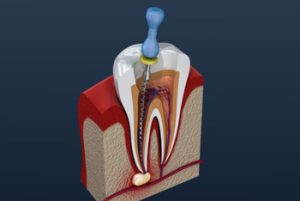 Today’s procedures use:
- Modern X-rays for accurate diagnosis
- Precise tools for cleaning and shaping the root
- Effective anaesthetics that keep you numb and comfortable
- Digital systems that streamline the process and reduce time in the chair
So, while it’s completely normal to feel a bit nervous, most patients find that a root canal is no more painful than any typical dental procedure.
What Symptoms Might Mean You Need a Root Canal?
Not all toothaches are created equal. If you notice any of the symptoms below, it could be a sign of an infected tooth that may need root canal treatment:
- Persistent sensitivity to hot or cold, even after the source is removed
- Throbbing pain when chewing or applying pressure
- Swollen or tender gums
- A tiny, pimple-like swelling on the gum near the affected tooth
- A tooth that has changed to a darker colour
- Prolonged pain that doesn’t go away
These signs point to problems in the dental pulp, and if left untreated, the infection can spread to the surrounding bone or neighbouring teeth, threatening your overall oral health.
Can You Avoid Needing a Root Canal?
Yes, in many cases you can. Practising good oral hygiene habits goes a long way in protecting your teeth from decay and damage.
💡 Need help?
We offer professional book a consultation to help you achieve your goals.
Here’s what you can do to lower your risk:
- Brush twice a day with fluoride toothpaste
- Floss daily to remove plaque between teeth
- Limit sugary snacks and drinks that fuel bacteria
- See your dentist regularly for routine checkups and professional cleans
- Use a mouthguard if you grind your teeth or participate in contact sports
If you’ve had dental trauma or suspect a cavity, don’t delay treatment. Taking action early can help you avoid more extensive dental treatments, including root canal procedures.
Final Thoughts: Is Root Canal Painful?
 To sum it all up: a root canal does not have to be painful. In fact, it’s meant to relieve pain, save your teeth, and restore your comfort. With the use of local anaesthetic, modern tools, and expert care, most patients feel only mild discomfort during and after the procedure.
If you’re feeling nervous, speak openly with your dentist. They can walk you through each step and help you feel more at ease.
A root canal might sound intimidating at first, but it’s one of the most effective ways to restore a damaged pulp, treat an infection, and avoid tooth loss. And thanks to modern dentistry, it’s nothing to fear.
Remember: the sooner you treat dental problems, the easier and less painful your journey will be. If you’re experiencing symptoms or have questions about your oral health, book a consultation with Advanced Dental Care at (02) 9969 3982 and get the answers you need.
Note: Any surgical or invasive procedure carries risks. Before proceeding, you should seek a second opinion from an appropriately qualified health practitioner.
References
- Cleveland Clinic. (n.d.). Root canal. Retrieved from https://my.clevelandclinic.org/health/treatments/21759-root-canal
- Healthline. (n.d.). Dental anesthesia: Types, side effects, and more. Retrieved from https://www.healthline.com/health/dental-and-oral-health/dental-anesthesia
- GoodRx. (n.d.). Popular over-the-counter pain relievers. Retrieved from https://www.goodrx.com/conditions/pain/popular-over-the-counter-pain-relievers