Missing teeth can affect more than just your smile. They impact your ability to eat comfortably, speak clearly, and feel confident in social situations. Dental implants offer a permanent solution that looks, feels, and functions like natural teeth. But not all dental implants are the same.
As a dentist in Mosman NSW, our team explains each implant type at your consultation, because the right one depends on your jawbone and the number of teeth being replaced.
Understanding the different types of dental implants available helps you choose what’s best for your oral health. Whether you’re replacing a single tooth or multiple teeth, knowing your options means you can select the treatment that suits your unique needs.
The Three Main Types of Dental Implants
Dental implants come in three primary varieties, each designed to address specific bone conditions and tooth replacement needs. Let’s look at each type in detail.
1. Endosteal Implants: The Most Common Choice
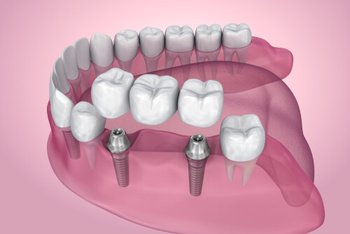
Endosteal implants are the most widely used type of dental implant, accounting for the majority of procedures we perform at our Mosman practice. These implants consist of small titanium posts surgically placed directly into your jawbone, where they act as artificial tooth roots.
The procedure involves creating a small opening in the jawbone to insert the implant. Over the following three to four months, the implant undergoes osseointegration, where the bone naturally fuses with the titanium post. This creates an incredibly strong foundation for your replacement tooth.
Who are endosteal implants suitable for?
Endosteal implants work best for patients with healthy jawbone density and adequate bone height. If you’ve recently lost a tooth and maintained good oral health, you’re likely a suitable candidate. In cases where bone loss has occurred, a bone graft may be needed first so the implant has sufficient support.
At Advanced Dental Care Mosman, Dr Priya uses 3D imaging technology during your initial consultation to assess your bone structure accurately. This detailed imaging helps us plan the precise placement angle and depth, which contributes to better long-term outcomes.
2. Subperiosteal Implants: An Alternative for Low Bone Density
Subperiosteal implants offer a solution for patients who don’t have sufficient jawbone height to support endosteal implants and prefer to avoid bone grafting procedures. Unlike endosteal implants that go into the bone, subperiosteal implants sit under the gum tissue but above the jawbone.
📖 People also read about:
This type uses a custom-made metal framework that rests on top of the jawbone, just beneath the gums. Small posts protrude through the gums to hold the replacement teeth in place. The framework is specifically designed to fit the unique contours of your jaw.
When might you need subperiosteal implants?
We typically recommend subperiosteal implants for patients who have experienced moderate to significant bone loss and cannot undergo, or prefer not to undergo, bone augmentation surgery. They’re also an option for patients whose overall health makes traditional implant surgery more challenging.
One advantage is that the procedure can often be completed in fewer appointments compared to endosteal implants with bone grafting. They do require regular check-ups to confirm the framework remains properly positioned.
3. Zygomatic Implants: The Solution for Severe Bone Loss
Zygomatic implants represent the most specialised type of dental implant, reserved for cases involving severe bone loss in the upper jaw. Rather than anchoring into the jawbone, zygomatic implants are placed into the zygomatic bone (cheekbone), which is denser and more stable.
This advanced technique requires specialised training and experience. Dr Priya completed specific training in complex implant procedures through the California Implant Institute’s All-on-4 externship, which includes techniques for challenging cases like severe bone loss.
📖 People also read about:
Who needs zygomatic implants?
Zygomatic implants are usually considered when other implant options aren’t viable. Patients who have worn dentures for many years, experienced significant bone deterioration due to gum disease, or had traumatic injuries affecting the upper jaw may benefit from this approach.
Recovery time is typically longer due to the complexity of the procedure, but the results provide a permanent and stable foundation. The advantage is that you can often avoid the lengthy bone grafting process that would otherwise be necessary.
How to Choose the Right Type of Dental Implant
Selecting the appropriate implant type depends on several key factors unique to your situation.
Bone density and height matter most when determining which implant is suitable. During your consultation, diagnostic imaging helps assess your bone structure thoroughly. Patients with healthy bone density are typically excellent candidates for endosteal implants, while those with bone loss may require alternative options.
Location of missing teeth also influences the decision. Front teeth replacements often require endosteal implants for the most natural appearance, while back teeth may have different requirements depending on your bone condition and chewing needs.
💡 Need help?
We offer professional dental implants mosman to help you achieve your goals.
Your overall health and healing capacity affect the treatment approach. We take into account any medical conditions, medications you’re taking, and your body’s natural healing ability when recommending the best implant type for you.
Essential Aftercare: Why No Dairy After Dental Implant Surgery?
After your dental implant procedure, following proper aftercare instructions supports the best healing and long-term success. One question we hear frequently is: why should you avoid dairy after dental implant surgery?
We recommend avoiding dairy products for the first four to six weeks following implant placement for several important reasons. Dairy can trigger an inflammatory response in oral tissues, which may interfere with the healing process around your new implant. Some patients also experience nausea from dairy after surgery, which introduces acidity into your mouth and could potentially disturb the surgical site.
Instead, focus on soft, protein-rich alternatives like eggs, ground meat, smoothies made with non-dairy milk, and well-cooked vegetables. Protein supports tissue repair and helps your body during the recovery period. Once your implant has fully integrated and we give you the all-clear, you can gradually reintroduce dairy products into your diet.
Other foods to temporarily avoid include very hot beverages (which can dislodge the blood clot), crunchy foods like chips and popcorn, and sticky foods like caramel. Stick to lukewarm or cool, soft foods for the first few days to give your mouth the best chance to heal properly.
Your Next Steps Towards a Complete Smile
Dental implants have transformed the lives of countless Australians, offering a permanent solution that restores both function and confidence. Whether you’re a candidate for endosteal, subperiosteal, or zygomatic implants, the key is working with an experienced dental team who can guide you through the process.
Dr Priya Shanmugalingam brings over 20 years of experience to every implant procedure, having completed advanced training through the Brener Implant Institute and California Implant Institute. As a Fellow of the International Congress of Oral Implantologists and member of the Australian Society of Implant Dentistry, she combines technical expertise with a personalised, patient-focused approach.
Ready to find out about your dental implant options? Contact Advanced Dental Care Mosman today to schedule a detailed consultation. We’ll assess your individual needs, discuss the most suitable implant type for your situation, and create a personalised treatment plan that brings back your confident smile.