If you have missing teeth and are unsure whether to replace them with a single implant or go for a broader restoration, the good news is that both single and multiple dental implants offer strong, lasting, natural-looking solutions. The right choice depends on how many teeth are missing, the condition of your gums and jawbone, and your long-term oral health goals. Understanding the differences helps you make confident choices and maintain a healthy smile for years to come. This discussion will also highlight how single and multiple dental implants can improve both function and comfort in everyday life.
What Are Single Dental Implants?
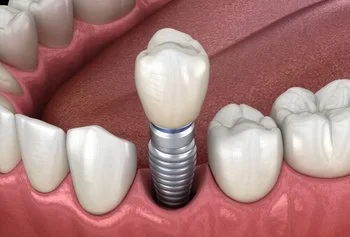
A single dental implant is ideal when only one tooth is missing. It consists of a titanium post placed into the jawbone, followed by a custom-made crown that matches your natural teeth.
✓ Benefits of Single Dental Implants
- Natural appearance: Designed to blend seamlessly with your existing teeth.
- Preserves surrounding teeth: No need to file down healthy teeth as with dental bridges.
- Supports jawbone health: The implant stimulates the bone, helping prevent deterioration.
- Simple maintenance: Brush and floss as usual with no special products required.
✓ Who Is Suited for a Single Implant?
A single implant is most suitable when:
- Only one tooth is missing.
- You have healthy gums.
- Your jawbone has enough density to support the implant.
Many Australians choose this option for both front and back tooth replacement because it provides long-term stability without affecting adjacent teeth.

What Are Multiple Dental Implants?
Multiple dental implants are used when you are missing several teeth or if you need a full arch reconstruction. Instead of placing an implant for every missing tooth, your dentist may strategically position a few implants to support a bridge or a full arch prosthesis.
✓ Benefits of Multiple Dental Implants
- Improved chewing strength: Restores a strong bite, helping you enjoy a wider range of foods.
- Long-term cost effectiveness: Fewer implants can support several teeth at once.
- Comfortable and secure: Offers far greater stability compared to removable dentures.
- Protects facial structure: Helps maintain bone support and facial contours.
✓ Who Should Consider Multiple Implants?
This option is often recommended when:
- You have lost several teeth in one area.
- Dentures feel uncomfortable or unstable.
- You want a fixed, durable alternative for full mouth restoration.
Multiple implants provide a firm foundation for bridges or full arch prosthetics, helping you regain confidence and full function.
Comparing Single Tooth and Multiple Dental Implants
Both single and multiple dental implants deliver exceptional benefits, but understanding the differences will help you choose what suits your circumstances best.
📖 People also read about:
1. Number of Missing Teeth
- Single implant: Perfect when only one tooth is missing.
- Multiple implants: Suitable when several or all teeth need replacing.
2. Treatment Time
- A single implant may require less surgical planning and fewer visits.
- Multiple implants involve a broader treatment plan but can still be completed efficiently with modern techniques.
3. Cost Considerations
- A single implant is generally less expensive up front due to fewer components.
- Multiple implants involve more planning and materials,
but can be more economical than replacing each tooth individually.
4. Maintenance
Maintenance for both options is nearly identical
- Brush twice daily
- Use interdental brushes or floss
- Attend routine dental check-ups
The key difference lies in cleaning around bridges supported by multiple implants, which may require specific flossing tools.
5. Longevity
Both options are known for long-term reliability when placed by a skilled dentist and maintained with good oral hygiene. Many implants last for decades because they integrate with the jawbone.
📖 People also read about:
Which Option Should You Choose?
Your decision should be based on the number of missing teeth, your long-term goals, and your overall oral health. A single implant is ideal for isolated gaps, while multiple implants provide comprehensive solutions when several teeth are missing. A personalised assessment from an experienced dentist will help you understand what is best for your smile and lifestyle.
If you are unsure, the team at Advanced Dental Care Mosman can guide you through each option with clarity and confidence.
💡 Need help?
We offer professional book a consultation to help you achieve your goals.
Choosing implants is a significant step for your oral health, and having the right professionals makes a meaningful difference.
Book a consultation with Advanced Dental Care Mosman to explore your implant options in detail.
FAQs
1. How long do dental implants last?
With proper care, dental implants can last decades. Many patients enjoy their implants for life with regular check-ups and good oral hygiene.
2. Are dental implants painful?
Most patients experience minimal discomfort during and after treatment. Local anaesthetic and modern techniques make the procedure gentle and manageable.
3. How long is the recovery period?
Initial healing usually takes a few days, while full integration of the implant with the jawbone may take several months. You can resume most daily activities within 24 to 48 hours.
4. Can dental implants fail?
Implants have a high success rate. Failure is rare and often linked to poor oral hygiene, smoking, or underlying health issues. Regular dental visits help maintain implant health.
5. Are multiple implants more expensive than dentures?
Yes, multiple implants cost more upfront than dentures, but they offer superior comfort, function, and longevity, often making them a better long-term investment.
6. Can anyone get dental implants?
Most adults can receive implants, provided they have healthy gums and an adequate jawbone. A dental assessment will determine suitability.
The Way Forward
Ready to restore your smile with long-lasting, natural-looking implants? Book your comprehensive consultation with Advanced Dental Care Mosman and take the first step toward confident, comfortable dental health.