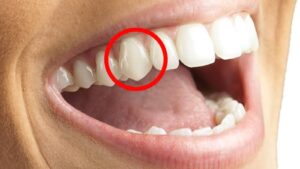
wisdom teeth. They sound philosophical, don’t they? But for many, these late-blooming molars bring more pain than wisdom, especially when impacted. If you’ve ever experienced that nagging ache at the back of your mouth or swollen gums that make chewing challenging, chances are you’re dealing with an impacted wisdom tooth.
At our Mosman dental clinic, an examination and X-ray show whether a wisdom tooth is impacted and whether it is likely to cause problems later.
In this blog, we’ll examine impacted wisdom teeth in a close, compassionate, and conversational manner—what they are, why they can be problematic, and what treatment options are available. Let’s dive in.
What Exactly Is an Impacted Wisdom Tooth?
Let’s start with the basics. Your wisdom teeth, also known as third molars, are the last teeth to emerge, typically appearing between the ages of 17 and 25. These four wisdom teeth (two upper and two lower) are at the back of your mouth.
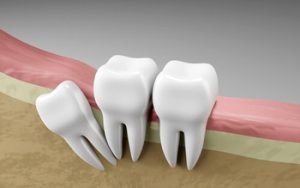
However, by the time they make their grand entrance, your mouth may already be at capacity. If there isn’t enough room or they grow at the wrong angle, your wisdom teeth can become impacted, meaning they can’t fully emerge through the gum line.
Types of Impaction: Not All Are Created Equal
An impacted wisdom tooth doesn’t always behave the same way. There are different types based on how the tooth is trapped:
 1. Fully Impacted Wisdom Tooth
This one never breaks through the gum. It’s buried deep in the jawbone and can remain hidden for years until problems start cropping up.
2. Partially Impacted Wisdom Tooth
A partially impacted wisdom tooth manages to push through just a bit but doesn’t emerge fully. This partial exposure makes it vulnerable to bacteria, infections, and gum inflammation.
3. Soft Tissue and Bony Impactions
Sometimes, the tooth is covered entirely by gum tissue (soft tissue impaction) or bone (bony impaction). These are typically more complex to treat and may require oral and maxillofacial surgery.
Why Do Wisdom Teeth Get Impacted?
Great question, and one that often comes up when people start feeling that familiar pressure at the back of their mouth.
The simple answer? There’s often not enough room.
Our wisdom teeth, also known as third molars, are the last teeth to appear, usually between the ages of 17 and 25. By this time, most people already have a full set of adult teeth, and the jaw may not have grown large enough to comfortably accommodate these extra four teeth.
Because of this lack of space, wisdom teeth may:
- Grow in at an awkward or wrong angle
- Push against other teeth
- Only partially emerge through the gum
- Remain completely trapped beneath the gum tissue or bone
All of these scenarios can lead to an impacted wisdom tooth.
Evolution Is Part of the Story
Interestingly, this issue has a lot to do with how our jaws have evolved. Our ancestors had larger jaws with enough room for extra molars to help chew tough, raw foods. But today’s modern diet and modern dentistry have made those extra teeth less essential. Over time, our jaws have become smaller, but our genes still try to grow those last teeth anyway.
Delayed or Improper Eruption
Sometimes, even if there’s enough space, a developing wisdom tooth can become impacted simply because it doesn’t follow the normal eruption path. It might try to break through the gum at an angle, or it may not erupt at all.
An impacted tooth doesn’t always cause problems immediately, but it can certainly affect your oral health over time, so it’s good to keep an eye on them, even if they’re not causing pain just yet.
The Subtle (and Not-So-Subtle) Signs You Might Have an Impacted Tooth
Sometimes, impacted wisdom teeth lurk silently without causing noticeable issues. But more often, they send out distress signals. Keep an eye out for these obvious symptoms:
- Lingering pain at the back of your mouth
- Swollen gums or gum tissue around the area
- Jaw pain or stiffness, especially near the lower wisdom teeth
- Gum infections that don’t go away
- Foul breath or a sour taste that doesn’t go away
- Difficulty opening your mouth fully
- Crowding or shifting of other teeth
If you’re experiencing any of the above, it’s worth getting a dental assessment before the issue worsens.
The Domino Effect: How Wisdom Teeth Affect Overall Oral Health
Impacted wisdom teeth are more than just a discomfort—they can wreak havoc on your oral health. Left untreated, they can contribute to:
Gum Disease and Gum Infections
Partially erupted wisdom teeth often harbour harmful bacteria due to their hard-to-clean position. The flap of gum tissue covering them makes it hard to clean, leading to gum inflammation, periodontal disease, and recurrent gum infections.
📖 People also read about:
Tooth Decay
Food and bacteria can easily get trapped around a partially impacted wisdom tooth, increasing the risk of tooth decay, not just for the wisdom tooth itself but also for neighbouring adult teeth.
Pressure on Other Teeth
An impacted tooth may exert immense pressure on adjacent teeth, causing misalignment and pain, which is especially troublesome if you’ve had orthodontic treatment in the past.
Cysts or Tumours
Though rare, developing wisdom teeth can sometimes form cysts in the jaw, potentially damaging the bone or other teeth.
Risk of Jaw Fracture
In severe cases, the pressure and structural compromise from impacted wisdom teeth can weaken the jawbone, increasing the risk of a jaw fracture during trauma or stress.
Diagnosis: How Do You Know if Your Wisdom Teeth Are Impacted?
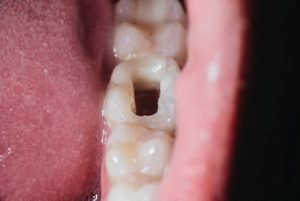 A clinical exam combined with X-rays is usually enough to determine if your wisdom teeth are impacted. Your dentist will check:
- How the wisdom teeth are positioned
- Whether they are pressing on other teeth
- If there’s any sign of infection, decay, or cysts
- Whether there’s enough room for them to erupt properly
Sometimes, a referral to an experienced dental professional is necessary for a more detailed evaluation or for planning surgical removal.
Treatment Options: To Remove or Not to Remove?
One of the most debated questions in dentistry is whether to surgically remove wisdom teeth or retain them. Should you proactively remove wisdom teeth even if they’re not causing issues?
Early Intervention vs. Watchful Waiting
- Early removal is often recommended at a younger age, typically before the roots are fully formed. It reduces the risk of complications, ensures easier healing, and helps maintain gum health.
- Retention might be considered if the third molars are healthy, in the correct position, and there’s enough space for them to erupt fully.
Wisdom Teeth Removal: What to Expect
If your dentist has recommended wisdom teeth removal, you might be feeling a little nervous, and that’s completely normal. But here’s some reassurance: this is one of Australia’s most common dental procedures, and with the right preparation and care, most people recover quickly and comfortably.
Let’s walk through the entire process so you know exactly what to expect, from consultation to recovery.
Before the Procedure: Your Consultation
The first step is a thorough check-up with your dentist. They’ll:
- Review your dental history
- Examine your impacted wisdom tooth (or teeth)
- Take X-rays to assess position, roots, and nearby nerves or sinuses
- Discuss whether your case is straightforward or might need a more involved surgical removal
Depending on how your wisdom teeth are impacted, whether they’re partially impacted, fully impacted, or putting pressure on other teeth, you may be referred to an experienced dental professional for removal.
📖 People also read about:
Anaesthesia Option: Local Comfort You Can Count On
For most wisdom teeth removal procedures, especially when the case is straightforward, your dental team will use a local anaesthetic. This numbs only the treatment area, allowing you to remain fully awake and comfortable during the procedure without feeling any pain.
Local anaesthesia is typically administered with a small injection near the site of the impacted wisdom tooth, and it takes just a few minutes to take effect. You’ll feel pressure during the removal but no sharp pain.
Because it’s a minimally invasive option, there’s no need for hospital admission, and you’ll be able to head home shortly after the procedure with a clear head and clear instructions for recovery.
During the Procedure: What Actually Happens
Whether you’re having one or all four wisdom teeth removed, the steps are generally the same:
- The anaesthetic is administered to keep you comfortable.
- A small incision is made in the gum tissue if the tooth is impacted or hasn’t broken through.
- In some cases, a small amount of bone may be removed to access the tooth.
- The impacted tooth may be divided into sections to make removal easier and safer.
- Once removed, the area is cleaned, and the tooth socket is closed with dissolvable stitches (if needed).
The entire process can take 20 minutes to over an hour, depending on the number of teeth being removed and their position.
After the Procedure: The Recovery Phase
After wisdom teeth removal, you’ll be moved to a recovery area until the effects of anaesthesia wear off. If you’ve had a general anaesthetic, you’ll need someone to drive you home.
Here’s what to expect in the days following surgery:
- Swollen gums and mild facial swelling
- Persistent pain or discomfort (managed with medication)
- Limited jaw movement or mild jaw pain
- A bit of bleeding in the first 24 hours
- A blood clot forms in each socket, which is an essential part of healing
Follow your dentist’s care instructions carefully to avoid complications like dry sockets, which can happen if the clot is dislodged.
💡 Need help?
We offer professional wisdom tooth removal mosman to help you achieve your goals.
Quick Tips for a Smooth Recovery
- Rest for the first 24–48 hours and avoid strenuous activity
- Apply ice packs to reduce swelling
- Eat soft foods (think yoghurt, mashed potatoes, soup)
- Don’t use straws or smoke; these can dislodge the blood clot
- Rinse gently with salt water after 24 hours to keep the area clean
- Keep up your oral hygiene, just avoid brushing too close to the site at first
How Long Does It Take to Fully Recover?
Most people feel better within 3–5 days and can return to normal activities shortly after. Complete gum tissue and tooth socket healing can take a few weeks.
If you’ve had a more complex procedure, like the removal of a fully impacted wisdom tooth, your recovery might take a little longer, but your dental team will guide you through it every step of the way.
Knowing what to expect during wisdom teeth removal can make the whole experience much less intimidating. Whether dealing with lower wisdom teeth, upper wisdom teeth, or a painful partially erupted molar, getting it sorted with a caring team ensures a smoother, healthier outcome for your oral health.
Common Complications (And How to Prevent Them)
While wisdom teeth removal is generally safe, complications can occur:
- Dry socket (dislodged blood clot)
- Infection
- Nerve damage (particularly to the lower lip or tongue)
- Bleeding or bruising
- Damage to other teeth
These risks are significantly reduced when the surgery is performed by experienced dentists.
Why Timing Matters: Don’t Wait for Severe Symptoms
It’s tempting to ignore wisdom teeth until they start causing persistent pain, but early intervention can save you from future complications. Removing them while you’re young means faster recovery, fewer risks, and better outcomes for your overall oral health.
Even partially erupted wisdom teeth that aren’t currently causing problems can still threaten your gum line and surrounding teeth later on.
When Wisdom Teeth Affect Orthodontic Treatment
If you’re undergoing or planning orthodontic treatment, your dentist may recommend removing your wisdom teeth. This is especially true if:
- There’s a risk of crowding or shifting
- The wisdom teeth may erupt during or after braces
- There’s concern about a relapse of previous orthodontic corrections
What If You Don’t Remove Them?
 Choosing not to remove wisdom teeth, especially impacted or partially impacted ones, means accepting a level of risk. Over time, these teeth can cause:
- Chronic jaw pain
- Recurrent infections
- Deteriorating oral health
- Structural damage to nearby adult teeth
If your dentist recommends monitoring instead of removing them, ensure you stick to regular check-ups and report any obvious symptoms immediately.
Final Thoughts: Don’t Let Wisdom Teeth Dictate Your Smile
Your oral health is too important to leave to chance. If you’re dealing with wisdom tooth pain, struggling to keep partially erupted teeth clean, or just not sure whether to take action, it’s worth speaking to a dental professional.
By addressing an impacted wisdom tooth early, you can avoid complications, preserve your gum health, and maintain a healthy, confident smile.
If you’re considering impacted wisdom tooth removal, book an appointment with Advanced Dental Care at (02) 9969 3982 to see if it’s the right option for you and take the first step toward protecting your oral health.
Note: Any surgical or invasive procedure carries risks. Before proceeding, you should seek a second opinion from an appropriately qualified health practitioner.
References
- Cherney, K. (2019). What is local anesthesia. Medical News Today. https://www.medicalnewstoday.com/articles/265689
- Mayo Clinic. (n.d.). Wisdom teeth: Symptoms & causes. https://www.mayoclinic.org/diseases-conditions/wisdom-teeth/symptoms-causes/syc-20373808
- Colgate. (n.d.). How a salt water mouth rinse benefits oral health. https://www.colgate.com/en-gb/oral-health/mouth-sores-and-infections/how-a-salt-water-mouth-rinse-benefits-oral-health
- Cleveland Clinic. (n.d.). Dental X-rays. https://my.clevelandclinic.org/health/diagnostics/11199-dental-x-rays
- GoodRx. (n.d.). Popular over-the-counter pain relievers. https://www.goodrx.com/conditions/pain/popular-over-the-counter-pain-relievers