How much does teeth whitening cost before deciding on treatment? With so many choices available, the price can vary, leaving some unsure about what to expect. The final cost isn’t just about the treatment itself—it depends on several factors that can influence the price. Understanding what goes into pricing can help you find an option that suits your needs. If you’ve been considering whitening but aren’t sure where to start, let’s explore what determines the cost and what choices are available.
What Is Teeth Whitening?
Teeth whitening is a process designed to improve the brightness of natural teeth by reducing stains and discolouration. It is a popular choice for those looking to enhance their smile’s appearance with a refreshed look. The effectiveness of the treatment can vary depending on factors such as the cause of staining and the method used. While results differ for each person, the goal is to achieve a visibly brighter smile.
How Much Does Teeth Whitening Typically Cost?
Teeth whitening cost in Australia varies based on several factors. In-clinic treatments can differ depending on the clinic, the type of whitening procedure chosen, and the location where the service is provided.
What Are the Main Factors That Influence Teeth Whitening Pricing?
Understanding how pricing is determined can help you make an informed decision about whitening options. The cost can vary significantly, making it essential to know the key factors that contribute to these differences.
How the Type of Teeth Whitening Treatment Affects Pricing
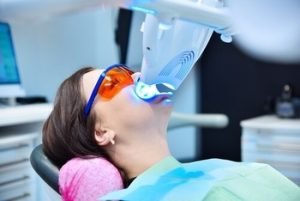 Different methods are available, each with its own pricing structure. In-chair procedures performed by a dentist typically cost more due to the expertise and advanced equipment involved. At-home kits purchased from a dentist offer a more affordable option while still providing professional-grade results. Over-the-counter products, such as strips and gels, tend to be the least expensive but may take longer to achieve noticeable changes. The effectiveness and longevity of results often depend on the method used, which is why pricing varies.
Why the Whitening Ingredients Matter
The strength and type of whitening agents play a role in cost differences. Higher concentrations of active ingredients, such as hydrogen peroxide or carbamide peroxide, are more potent and typically found in professional treatments. Over-the-counter products contain lower concentrations, making them less expensive but often requiring extended use. Some advanced treatments include desensitising agents to reduce discomfort, which can add to the overall cost. The formulation of each product determines its effectiveness, safety, and pricing.
The Role of Customisation in Pricing
Tailored treatments often come at a higher price due to the additional steps involved. Custom trays designed by a dentist ensure an even application, improving comfort and effectiveness. In-clinic procedures may involve personalised adjustments based on the patient’s dental condition, ensuring optimal results. Generic trays or strips, while more affordable, may not provide the same level of precision. The more personalised the approach, the greater the impact on pricing.
How the Dentist’s Experience Can Influence Costs
A highly experienced dentist may charge more for their expertise. Advanced training allows them to assess dental health before proceeding, ensuring safe and effective treatment. The use of modern equipment and techniques may also contribute to a higher price. Patients often seek skilled professionals for reassurance and long-lasting results. The level of care and expertise can significantly affect overall costs.
The Impact of Location on Pricing
Where the treatment is performed can influence teeth whitening costs. Prices tend to be higher in metropolitan areas due to increased operational expenses. Clinics in smaller towns may offer lower rates, reflecting differences in overhead costs. The availability of teeth whitening treatments in an area can also affect pricing, with greater demand sometimes leading to higher fees. Geographic variations should be considered when comparing costs.
How Additional Services Affect the Final Price
Some treatments include extras that can raise the total cost. Pre-whitening exams ensure the teeth are healthy enough for treatment, sometimes adding to the overall price. Follow-up appointments may be vital to maintain results, depending on the method chosen. Certain options include aftercare products designed to prolong whitening effects, increasing the total expense. These additional services enhance the overall experience but can influence pricing.
📖 People also read about:
Why Treatment Duration Can Change Costs
Faster results often come with a higher price tag. Single-visit procedures typically cost more due to the advanced technology used. At-home methods may be more affordable but require a longer commitment to achieve similar outcomes. Longer-lasting results from professional teeth whitening services may justify the higher expense. The time required for treatment plays a key role in overall pricing.
Pricing is shaped by multiple elements, from treatment type to the expertise of the dentist. Knowing these factors helps in making an educated choice that aligns with personal needs and budget.
What Steps Are Involved in the Teeth Whitening Procedure?
A brighter smile often starts with understanding the steps involved in the process. Whether done in a clinic or using a dentist-provided kit, each method follows a structured approach to ensure effective results.
What Happens During In-Chair Teeth Whitening?
The procedure begins with a consultation to check the condition of the teeth and gums. A protective barrier is applied to the gums to minimise sensitivity before the whitening gel is carefully placed on the tooth surfaces. The whitening process is sped up by using a laser or specialised light to activate the whitening agent.
The gel may be reapplied in intervals to achieve the desired brightness, with the entire session lasting about an hour. Once the treatment is complete, the teeth are rinsed, and a fluoride application may be used to help with sensitivity.
How Is a Dentist-Provided Home Kit Used?
A customised kit is prepared after an initial assessment to ensure suitability. Moulds are taken to create trays that fit securely over the teeth for even coverage. The professional grade whitening gel is supplied along with detailed instructions on how to apply it. Depending on the whitening agent’s concentration, the trays are worn daily for a specific period, typically ranging from one to two weeks. Follow-up sessions may be scheduled to check on progress and make adjustments if required.
📖 People also read about:
 Why Preparation Matters Before Whitening
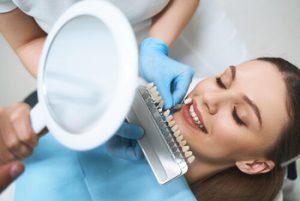
The process starts with cleaning to remove any plaque that could interfere with the results. A shade comparison is done to determine the current colour of the teeth, providing a reference point for expected improvements. Protective measures, such as gum shields or barriers, are applied in clinic-based treatments to prevent irritation. For home kits, clear guidance is given to ensure safe and correct application. Proper preparation ensures the whitening process is effective and comfortable.
What to Expect During the Whitening Process?
For in-chair treatments, the dentist closely monitors the application, ensuring even coverage and optimal results. The whitening gel is refreshed as needed, with the light accelerating its effects. In-home treatments, patients are advised on how long to wear the trays each day to avoid overuse. The treatment period varies based on the teeth whitening method chosen and the level of staining. Throughout the process, any signs of irritation or discomfort are addressed promptly.
How Results Are Evaluated After Treatment?
Once the procedure is complete, the final shade is compared to the initial colour to assess improvement. The dentist provides guidance on maintaining the new brightness, ensuring the effects last as long as possible. For at-home kits, follow-up appointments help track progress and address any concerns. Additional sessions may be recommended if the desired results are not achieved in one treatment. Each step is designed to ensure a safe and effective outcome.
The process involves careful preparation, application, and evaluation to deliver noticeable improvements. Understanding these steps helps in choosing the most suitable approach for a whiter smile.
💡 Need help?
We offer professional book a consultation to help you achieve your goals.
How Does Teeth Whitening Benefit Your Smile and Confidence?
How a Whiter Smile Improves First Impressions
A smile is often one of the first things people notice, shaping their perception of you. Whiter teeth can make interactions more positive by giving the impression of good health and personal care. Whether meeting new people or engaging in professional discussions, a bright smile can create a welcoming presence. It can also influence how confident you feel when communicating, making it easier to express yourself. A polished appearance contributes to stronger first impressions in various aspects of life.
The Connection Between a Brighter Smile and Self-Assurance
Feeling good about your smile can lead to greater confidence in daily interactions. Knowing your teeth look vibrant can reduce hesitation when speaking or laughing in social settings. People often find themselves smiling more freely, which can positively affect mood and interactions. Increased self-assurance can improve overall well-being, making social and professional engagements more comfortable. A confident smile can enhance both your self-image and how others respond to you.
The Effect of Teeth Brightening on Professional Presence
In many careers, confidence and appearance play a role in making an impact. A whiter smile can help project a polished and self-assured image, making workplace interactions smoother. Those in customer-facing roles or leadership positions often find that feeling good about their teeth enhances their professional presence. It can also contribute to a sense of pride in personal appearance, reinforcing credibility in various work environments. A confident smile can be a subtle but effective asset in professional settings.
How a Brighter Smile Enhances Social Comfort
Social gatherings often involve close interactions where appearance matters. Having whiter teeth can make it easier to engage in conversations without feeling self-conscious. Whether attending events, meeting new people, or reconnecting with old friends, feeling good about your smile can enhance these moments. It can also encourage more natural interactions, making social experiences more enjoyable. A bright smile can help reduce self-awareness, allowing for genuine and relaxed conversations.
The Link Between Smile Enhancement and Mental Well-Being
 The way you perceive your appearance can influence your overall mood and self-esteem. A whiter smile can create a sense of satisfaction, leading to increased positivity in daily life. Feeling good about your teeth can encourage healthier habits and a greater focus on overall wellness. Smiling more frequently has been linked to increased feelings of happiness and relaxation. A simple improvement can have lasting effects on emotional well-being.
Feeling confident in your smile can make everyday interactions more comfortable and enjoyable. Whether in personal, social, or professional settings, a whiter smile can enhance self-assurance and leave a positive impression.
Book Your Appointment for a Confident Smile
The cost of teeth whitening depends on multiple factors, but finding an option that suits your needs is easier with the right guidance. Whether you’re considering teeth whitening options at home or professional treatment, knowing what influences pricing can help you make an informed decision. A brighter smile not only enhances appearance but also boosts confidence, making every interaction more enjoyable. Our team is here to provide expert care and personalised solutions to help you achieve the best results. If you’re ready to refresh your smile, contact us today at (02) 9969 3982 to schedule an appointment.
References
https://www.colgate.com/en-us/oral-health/teeth-whitening/professional-teeth-whitening-cost
https://pmc.ncbi.nlm.nih.gov/articles/PMC4058574/