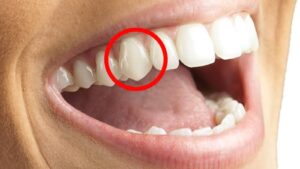
If years of wear, missing teeth or ongoing bite problems are affecting how you eat, speak or smile, a full mouth reconstruction can put things right. It’s not a single procedure but a coordinated plan that rebuilds your teeth, gums and bite in a sensible order. For Sydney patients weighing up the idea, the most common question is simple: how long will this actually take, and what happens at each stage?
As a dentist in Mosman NSW, our team plans full mouth reconstruction in stages, so each treatment has time to heal before the next one begins.
At Advanced Dental Care Mosman, Dr Priya Shanmugalingam has guided patients through complex restorative cases for more than 20 years. Trained through the Brener Implant Institute and the California Implant Institute’s All-on-4 externship, and a Fellow of the International Congress of Oral Implantologists, she plans every reconstruction around long-term function rather than short-term aesthetics. Here’s a clear walkthrough of what a full mouth reconstruction in Sydney typically looks like, from your first appointment to your final review.
What Is Full Mouth Reconstruction?
Full mouth reconstruction (also called full mouth rehabilitation) combines restorative, surgical and cosmetic dentistry to rebuild teeth across both the upper and lower jaws. Treatment may include crowns, bridges, veneers, gum therapy, orthodontics and dental implants, all sequenced so each step supports the next.
In our experience treating Mosman and North Shore patients, the cases that come through our door most often involve severe tooth wear from grinding or acid erosion, multiple missing or broken teeth, advanced gum disease, bite issues triggering jaw pain, or extensive damage from trauma. Each presents differently, which is why no two reconstruction plans look the same.
Stage 1: Consultation and Diagnostics (Weeks 1 to 2)
Every reconstruction starts with a thorough assessment. Your dentist reviews your medical history, takes digital X-rays, 3D scans and photographs, and examines your teeth, gums and jaw joint. You’ll also talk through your goals, whether that’s chewing comfortably again, fixing constant headaches from a poor bite, or simply feeling confident enough to smile in photos.
📖 People also read about:
This stage is where the foundation is laid. Skipping or rushing diagnostics is the most common reason reconstructions fail down the track, so we’d rather spend an extra appointment getting it right.
Stage 2: Treatment Planning (Weeks 2 to 3)
Once diagnostics are complete, your dentist builds a detailed plan covering each procedure, the sequence, expected timeframes, materials and costs. You should leave this appointment with a written quote and a realistic timeline, not a vague estimate. If you’d like to discuss a personalised reconstruction plan with our Mosman team, this is also the stage where treatment options like implant-supported restorations are mapped out in full.
📖 People also read about:
Stage 3: Preparatory Treatments (Weeks 3 to 8)
Before any rebuilding begins, your mouth needs a healthy base. This phase often includes scaling and root planing for gum health, treating active decay, root canal therapy on salvageable teeth, and extractions for teeth beyond repair. If bone volume is insufficient for future implants, bone grafting or sinus lifts may be done now, adding three to four months of healing time before implants can be placed.
💡 Need help?
We offer professional gum treatment mosman to help you achieve your goals.
Stage 4: Surgical and Implant Phase (Months 2 to 8)
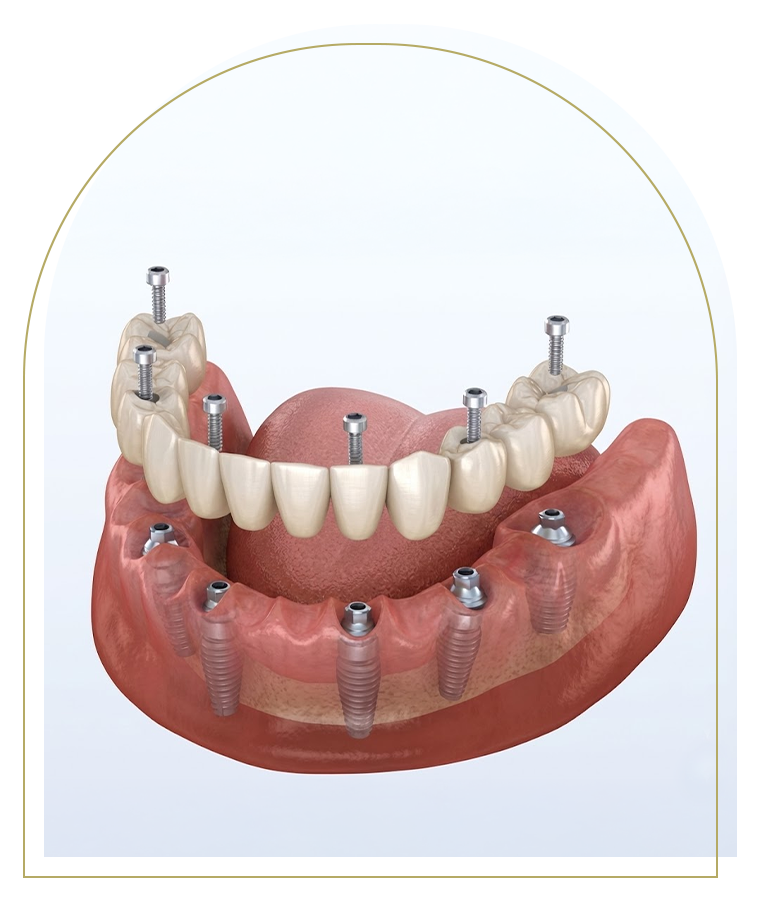
For patients replacing missing teeth, this is usually the longest stage. Dental implants are placed into the jawbone and then need time to integrate, a process called osseointegration, which typically takes four to six months. During healing you’ll wear temporary restorations so you can eat and smile normally throughout. Orthodontic treatment with clear aligners, if part of your plan, often runs in parallel and can take 12 to 18 months.
Stage 5: Restorative Phase (Months 6 to 12)
Once your foundation is stable, the rebuilding begins in earnest. Depending on your plan, your dentist places:
1. Custom crowns over weakened or root-treated teeth
2. Bridges to span small gaps
3. Implant-supported crowns or bridges on integrated implants
4. Inlays and onlays as a conservative alternative to large fillings
Each restoration is designed so your bite functions correctly, your jaw joint sits comfortably, and the result blends naturally with your existing teeth. We pay close attention to how the upper and lower teeth meet, because a beautiful crown that throws off your bite will eventually cause problems elsewhere.
Stage 6: Cosmetic Refinement (Months 10 to 14)
With function restored, attention turns to appearance. Porcelain or composite veneers, gum contouring and professional teeth whitening can be layered in to balance shape, colour and proportion. Many patients find this the most rewarding stage because the smile they imagined finally comes together.
Stage 7: Final Review and Long-Term Care
Your dentist checks fit, bite alignment and comfort, making small adjustments where needed. From here, six-monthly check-ups, daily hygiene and a custom night splint (if grinding contributed to the original problem) protect your investment for years to come.
How Long Does a Full Mouth Reconstruction Take in Sydney?
For straightforward cases involving crowns and veneers, treatment may wrap up in three to six months. Cases involving implants, bone grafting or orthodontics generally take 12 to 24 months. From the cases we’ve seen at our Mosman clinic, patients who follow the prepared sequence (rather than trying to fast-track healing periods) consistently get the most durable results.
Ready to Discuss Your Options?
Full mouth reconstruction is a significant commitment, but it’s also one of the most life-changing treatments dentistry offers. If you’re in Mosman or the wider North Shore and want to understand what’s possible for your smile, book a consultation with the team at Advanced Dental Care Mosman or call (02) 9969 3982.