You did the right thing and flossed, and now one tooth is aching. It feels a bit unfair. The good news is that pain in a tooth after flossing is common, and most of the time it is nothing to lose sleep over.
Still, your mouth is trying to tell you something. Sometimes the message is simply “go gently,” and sometimes it points to a small problem worth checking. Here is how to tell the difference.
Why a tooth or gum hurts after flossing
Most sore spots come down to one of a few things:
- You are new to flossing. Gums that are not used to daily cleaning can feel tender at first, a bit like muscles after a first gym session.
- You snapped the floss down hard. Forcing it past the contact point can bruise the gum below.
- A sawing motion. Dragging floss back and forth cuts into the gum instead of cleaning the side of the tooth.
- Trapped food or plaque. Clearing out a packed gap can leave the area briefly sore.
- Something underneath. Occasionally the floss finds a real issue, such as a small cavity, a chipped filling, or early gum disease.
In our chairs, the first three reasons explain the vast majority of “ouch” moments. They settle within a couple of weeks once your technique softens and your gums adjust.
When soreness is nothing to worry about
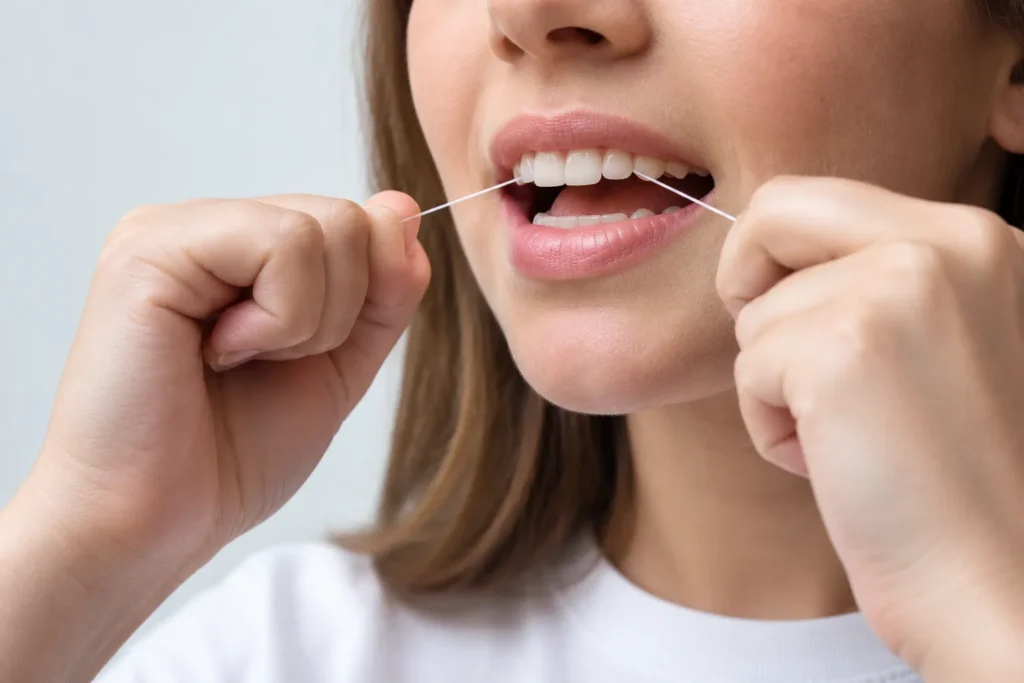
If the tenderness is mild, spread across a few teeth, and easing day by day, you are almost certainly fine. Gums are resilient and they toughen up quickly with gentle, consistent care.
📖 People also read about:
A little bleeding in the first week is also common, especially if flossing has not been part of your routine. Rather than stopping, keep going with a lighter touch. As the gums get healthier, the bleeding and the soreness usually fade together. If they do, that is your sign the tissue was just inflamed and is now recovering.
📖 People also read about:
When tooth pain after flossing needs a dentist
Some patterns are worth taking seriously. Book a visit if you notice any of these:
- A sharp, specific pain in the same tooth every time you floss.
- Floss that frays, shreds, or catches at one particular gap.
- Pain with hot, cold, or sweet foods on that tooth.
- Swelling, a bad taste, or bleeding that carries on past two weeks.
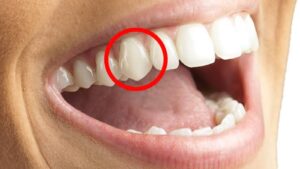
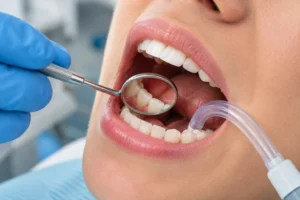
A floss that keeps tearing at the same spot often means the tooth has a rough edge, a decayed patch, or an ageing filling that needs attention. Pain that zings in one exact place can point to a cavity or a hairline crack. These are the sorts of things a dentist can spot in minutes, and catching them early usually means a smaller, simpler fix. If any of this sounds familiar, our general and preventive dentistry team can take a proper look and put your mind at ease.
💡 Need help?
We offer professional wisdom tooth removal mosman to help you achieve your goals.
How to floss so it does not hurt
Good technique makes flossing comfortable rather than something to dread:
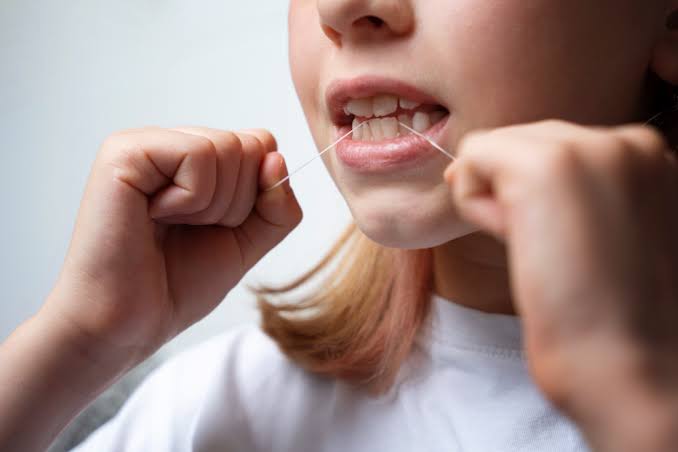
- Ease it in. Guide the floss down gently instead of snapping it through.
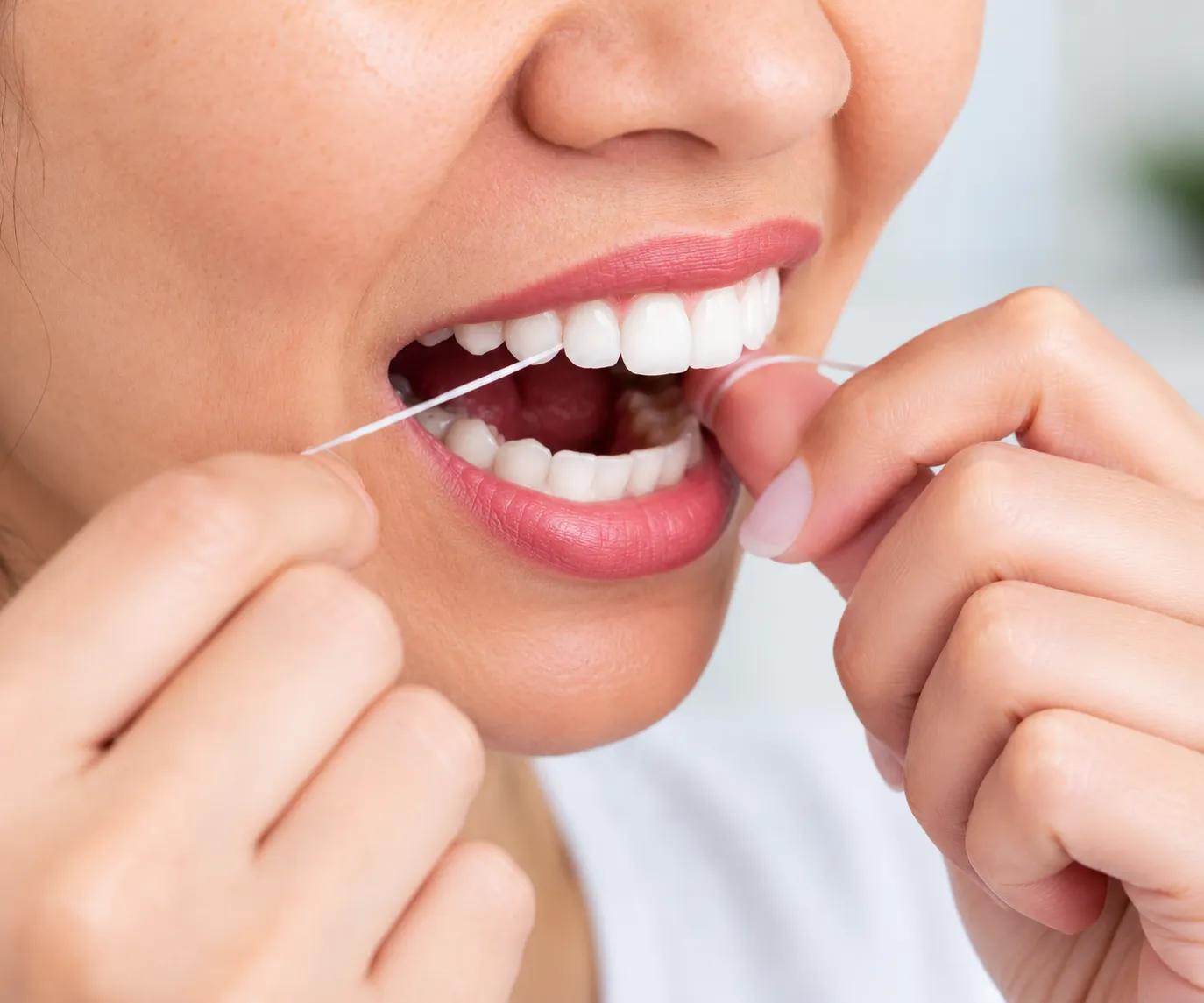
- Hug the tooth. Curve the floss into a C shape and slide it softly under the gumline, then clean up the side of each tooth.
- Fresh section each time. Move to a clean piece of floss for every gap so you are not shifting debris around.
- Be consistent. Daily flossing keeps gums calm; sporadic flossing keeps them irritated.
If reaching the back teeth is tricky, floss picks, interdental brushes, or a water flosser can do the same job with less fuss. The best tool is the one you will actually use each day.
Should you stop flossing because it hurts?
Almost never. Stopping lets plaque build back up, which is what irritates gums in the first place, so quitting often makes the soreness worse over the following weeks. The better move is to keep flossing daily with a gentler hand and give your gums a week or two to settle. If a single tooth still protests after that, the flossing is not the problem, and it is worth having it checked.
The bottom line
A tooth that aches after flossing is usually a sign your gums are adjusting or your technique needs a light tweak, not a reason to give up. Keep at it gently, and the discomfort tends to pass.
If the pain sticks to one spot, keeps coming back, or comes with swelling or lasting bleeding, do not wait it out. Get in touch with our friendly team of dentists in Mosman through our contact page and we will help you get comfortable again.