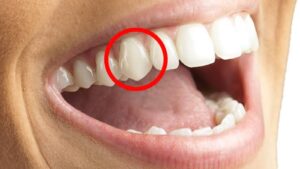
A sore throat that will not shift is easy to blame on a virus going around the office or the school run. When the pain sits mostly on one side, gets sharper every time you swallow, and your jaw feels tight at the very back, the cause may not be in your throat at all.
It may be a wisdom tooth. These teeth sit in the back corners of your mouth, close to the muscles and soft tissue you use to swallow. When one becomes inflamed or infected, the discomfort rarely stays where it started.
How a wisdom tooth ends up hurting your throat
Wisdom teeth are the last adult teeth to arrive, usually somewhere between the late teens and the mid-twenties. By that age the jaw has finished growing, and there is often not enough room left for a tooth that size to come through cleanly.
What tends to happen instead is a partial eruption. Part of the crown breaks through the gum while the rest stays covered by a flap of tissue. That flap traps food and bacteria in a spot no toothbrush can properly reach, and the gum around it becomes red and swollen.
From there, the inflammation spreads into nearby soft tissue and the lymph nodes under the jaw. Your throat feels raw on that side, swallowing becomes uncomfortable, and the whole thing convincingly imitates a throat infection. Dr Priya has carried out more than 1,000 wisdom tooth extractions, and a throat complaint with no cold behind it is one of the more common ways these teeth first announce themselves.
Pericoronitis, the usual culprit
The clinical name for that inflamed gum flap is pericoronitis, and it is the reason behind most wisdom-tooth sore throats. It shows up most often around the lower wisdom teeth, where the flap sits lower and food collects more easily.
📖 People also read about:
Signs that point to it rather than a virus:
Pain concentrated behind your last molar, almost always on one side
Gum tissue back there that feels puffy and tender to the tongue
A bad taste or odour that returns even after brushing
Trouble opening your mouth fully, sometimes called trismus
Swollen, tender glands under the jaw on the same side
Discomfort that spikes when you swallow or chew
You will not usually have the rest of the viral picture alongside it. No runny nose, no cough, no general achiness.
Telling a dental sore throat from a viral one
A viral sore throat tends to follow a familiar arc. It builds over a day or two, peaks, brings other cold symptoms with it, and eases within about a week. It also affects both sides of the throat fairly evenly.
A sore throat coming from a wisdom tooth behaves differently. It stays one-sided, it lingers past the week mark, and it often gets worse rather than better. Most tellingly, you can usually point to the exact spot. If you run your tongue behind your back molar and find a sore, swollen patch, that is your answer.
📖 People also read about:
If your sore throat has lasted more than a week, sits firmly on one side, and you can locate the sore spot with your tongue, a dental assessment will get you a faster answer than waiting it out.
What we check at your appointment
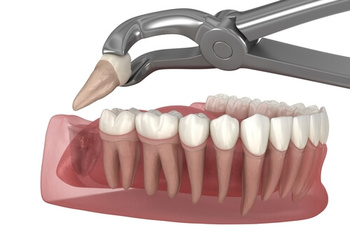
An examination starts with a proper look at the back of the mouth, along with your symptom history and how long things have been going on. Imaging matters here, because a wisdom tooth causing trouble may barely be visible above the gum line. Our 3D scans show the position and angle of the roots and whether the tooth has any realistic path to erupt properly.
If there is active infection, the first step is settling it down. That usually means cleaning debris out from under the gum flap, an antiseptic rinse, and sometimes antibiotics. That brings relief, though it treats the symptom rather than the cause, which is why we then talk through whether wisdom teeth removal in Mosman is the sensible long-term call. Some wisdom teeth settle and cause no further bother. Others flare up again every few months until they come out. The imaging usually makes it clear which one you are dealing with.
💡 Need help?
We offer professional teeth grinding to help you achieve your goals.
When it needs same-day attention
Most wisdom tooth infections are uncomfortable rather than dangerous. A few are not. Get seen the same day if you notice:
- Swelling spreading from the jaw into the neck or up towards the eye
- Real difficulty swallowing, or any change in your breathing
- Fever alongside the mouth pain
- Being unable to open your mouth more than a couple of centimetres
An infection that spreads into the deeper tissue of the neck is uncommon but serious, and it is not something to sleep on. We keep same-day appointments available for exactly this reason.
What helps while you wait
Warm salt water rinses several times a day will flush some of the debris out from under the gum flap and take the edge off the swelling. A cold compress against the outside of the jaw helps too. Stick to softer foods, keep chewing on the other side, and stay away from smoking, which slows healing in gum tissue considerably.
Over-the-counter pain relief will get you through, though it is worth being honest with yourself about what it is doing. Masking the pain of an infected tooth for weeks tends to mean a more complicated appointment when you eventually come in.

Book a check with your Mosman dentist
If a sore throat has outstayed its welcome and you suspect your wisdom teeth are behind it, a short assessment will settle the question. Our team of dentists in Mosman will examine the area, take the imaging we need, and give you a straight answer on whether the tooth needs to go or can be left alone.
Get in touch with Advanced Dental Care Mosman or call (02) 9969 3982 to book.