If you wear dentures, you have probably had that moment at the bathroom sink at night where you take them out and feel like you have handed back part of yourself. It is one of the most common things patients raise with us at our mosman clinic, and the question that follows is nearly always the same. Are there dentures that you can wear all the time? The short answer is yes.
The honest answer depends entirely on what type of denture you have and what is holding it in place.
Can You Actually Wear Dentures All The Time?
Most conventional dentures are built to be worn through your waking hours and taken out overnight. They sit directly on the gum and rely on suction, a good seal, or a set of clasps gripping the remaining natural teeth. That works well enough for chewing and talking, but it also means the tissue underneath carries the load for every hour the plate is in.
Dentures that you can wear all the time are a different design altogether. They are anchored to dental implants placed into the jawbone, so pressure travels through the implants rather than resting on soft tissue. That single change is what turns continuous wear from a risk into a reasonable option.
Why Gums Need Time Without a Plate
Gum tissue behaves a little like skin under a sticking plaster. Keep it covered around the clock and it stays warm, moist, and cut off from normal saliva flow, which is exactly the environment that lets denture stomatitis take hold. Patients who habitually sleep in a conventional plate are the ones who tend to arrive with a red, tender palate and a denture that no longer seats the way it used to.
There is a slower problem too, and it is harder to spot. Steady pressure on the ridge speeds up the bone shrinkage that naturally follows tooth loss. The denture that fitted beautifully in the first year starts rocking by the third, which is usually when people reach for adhesive instead of a reline.

The Options That Allow Constant Wear
Implant-Retained Overdentures
These clip onto two or more implants using stud attachments or a supporting bar. You can still take them out for cleaning, and most people do overnight, but the fit no longer depends on suction. Lower dentures gain the most from this design, since the lower jaw offers so little natural grip to begin with.
📖 People also read about:
Fixed Implant-Supported Bridges
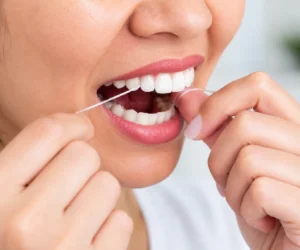
This is the closest thing to having your own teeth back. A full arch of replacement teeth is screwed onto four or more implants and stays in permanently, removed only by your dentist at review appointments. Cleaning happens in the mouth, using floss threaders, interdental brushes, and a water flosser to reach underneath the bridge.
If you are weighing this up against a removable set, our team can talk you through dentures that you can wear all the time and show you what each path involves before you commit to anything.
What Constant Wear Really Means Day to Day
Even with implants, all the time does not mean untouched. A fixed bridge stays put, but it needs daily attention underneath where plaque and food gather, and that habit matters more than it does with a removable plate. An overdenture comes out for a proper clean and goes straight back in.
The realistic promise is this. You are never without teeth in front of other people, you are not managing adhesive tubes, and you are not planning meals around whether the denture will hold. For most patients, that is the part that changes daily life.
📖 People also read about:
Are You a Candidate?
Implant-based solutions need enough healthy bone to hold the fixtures and gums free of active infection. Smoking, poorly controlled diabetes, and heavy night-time grinding all affect how well implants settle, which is why a proper assessment matters far more than any advertised package price.
Dr Priya Shanmugalingam has spent more than twenty years in restorative and implant dentistry, with advanced training through the Brener Implant Institute and an All-on-4 externship, and plans these cases around long-term function rather than a quick cosmetic result.
Limited bone volume does not automatically rule you out either, as grafting or a change in implant positioning often makes treatment workable when a previous opinion said otherwise.
💡 Need help?
We offer professional dentures mosman to help you achieve your goals.
The Transition Period Nobody Warns You About
Very few people go straight to a fixed arch. An immediate denture usually fills the gap while gums heal after extractions, and it is worn day and night for the first day or two so the tissue stays supported and swelling is controlled. After that, your dentist will normally ask you to start leaving it out overnight.
Expect a handful of adjustment visits during this stage. Sore spots in the first fortnight are completely normal, and most are settled in minutes with a small trim or a soft reline rather than anything dramatic.
Ready to Stop Taking Your Teeth Out at Night?
If loose dentures are quietly shaping your meals, your photos, and your social life, it is worth finding out which of these options actually suits your mouth. Call Advanced Dental Care Mosman on (02) 9969 3982, or get in touch with our Mosman team to arrange a consultation. We look after patients across Mosman, Cremorne, Neutral Bay, and the wider Lower North Shore.

Frequently Asked Questions
Can I sleep in my dentures?
With a conventional removable denture, it is better not to. Leaving it out overnight gives your gums a rest and lowers the risk of fungal irritation. Fixed implant-supported bridges are designed to stay in permanently.
Are permanent dentures actually permanent?
The implants themselves are intended to last decades with good care. The teeth attached to them are hard-wearing but not indestructible, and the bridge may need repair or replacement over the years.
How long does implant treatment take?
Most cases run between three and six months from first implant placement to final teeth, allowing time for the implants to fuse with bone. Some patients receive a temporary fixed set on the day of surgery.
Will fixed dentures feel bulky?
Usually less bulky than a conventional upper denture, because implant-supported designs do not need to cover the roof of your mouth for suction. Most people adapt to speaking and eating within a few weeks.
Do I still need check-ups if I have no natural teeth left?
Yes. Regular reviews let us check gum health around the implants, assess the fit, and screen for other oral health issues that have nothing to do with teeth.