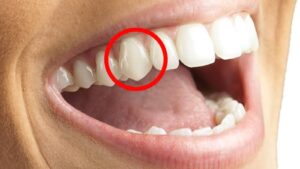
Losing a tooth changes more than your smile. It affects how you chew, how you speak and how confident you feel every day. The good news is that modern implant dentistry gives you several ways to replace missing teeth, and the right choice depends on your jawbone, your budget and how many teeth you need to restore.
A dentist Mosman team will match the implant type to your mouth, and the guide below explains how each option works.
At our Mosman dental clinic, the question we hear most is which type will actually suit a patient. Here is a clear look at the different kinds of dental implants used across Australia, how each one works, and how they compare with dentures and bridges.
What a dental implant is
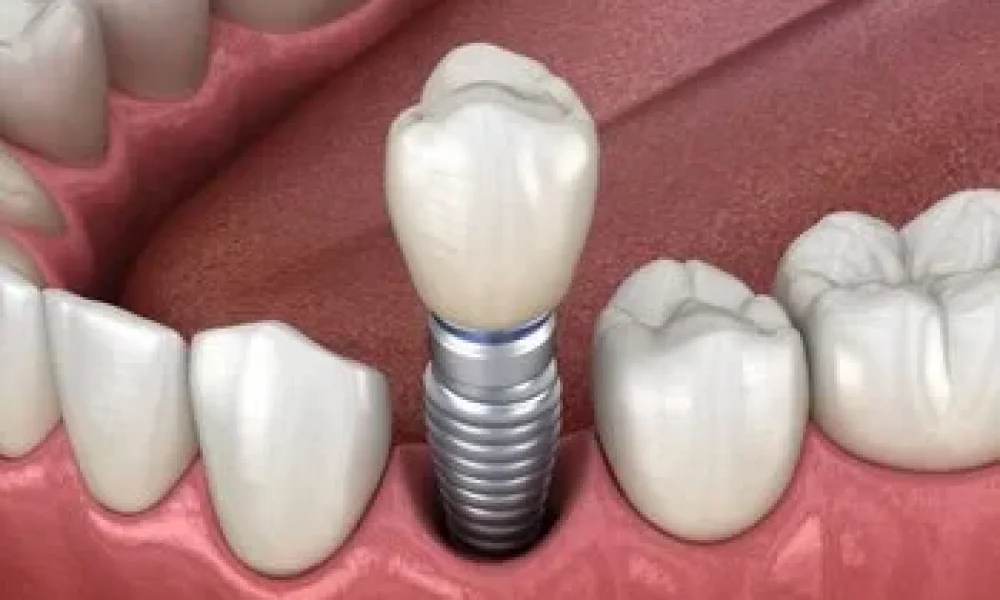
A dental implant is a small titanium post placed into the jawbone to act as an artificial tooth root. Over a few months it fuses with the bone through a process called osseointegration, giving a stable base for a replacement tooth. Because the post sits inside the bone, it also helps preserve your jaw and slows the bone loss that tends to follow missing teeth.
Every implant is built from three parts:
- The post, the screw set into the jawbone that acts as the new root.
- The abutment, the connector fitted once the post has healed.
- The crown, the visible tooth shaped and shaded to match your natural teeth.
The two main implant types
Endosteal implants
Endosteal implants are the most common kind we place in Mosman. A titanium screw is set directly into the jawbone, then fitted with a crown once the area has healed. They suit patients with healthy bone density and form the basis for many implant-supported bridges. For most people replacing one tooth or several, this is the option we weigh up first.
📖 People also read about:
Subperiosteal implants
Subperiosteal implants sit on top of the jawbone but beneath the gum, rather than being embedded in the bone. We tend to consider these when a patient lacks enough bone height and would prefer to avoid a bone graft. They are used less often today, but they still suit the right candidate.
📖 People also read about:
Zygomatic and mini implants
Zygomatic implants are a specialised option for significant bone loss in the upper jaw, anchoring into the cheekbone where a standard implant would not hold. Mini implants are narrower posts often used to stabilise a lower denture or fill a tight space, usually with less surgery and a shorter recovery.
Ways implants replace teeth
The same implant post can support different restorations, depending on how many teeth are missing:
- Single tooth implant, one post and one crown that replaces a single tooth without grinding down the healthy teeth beside it.
- Implant-supported bridge, a fixed bridge held by implants at each end, useful when several teeth in a row are missing.
- Implant-supported dentures, a full plate that clips onto a few implants for far more stability than a traditional denture, with no need for adhesive.
- All-on-4, a full arch of fixed teeth carried on just four posts. Dr Priya completed All-on-4 training through the California Implant Institute, and it is a popular path for patients moving away from removable dentures.
Titanium or zirconia?
Most implants are made from titanium, which has a long record for strength and reliability. Zirconia is a newer, metal-free choice that some patients prefer for its tooth-coloured look and biocompatibility. We match the material to your case, balancing your health with the result you want.
How implants compare with dentures and bridges
Patients often ask whether a denture or a bridge would do the same job. Both have their place, but an implant works differently.
Unlike a denture that rests on the gum or a bridge that leans on neighbouring teeth, an implant stands on its own.
Against dentures, implants stay fixed, feel closer to natural teeth and help protect the jawbone, while dentures cost less upfront but can slip and usually need replacing sooner. Against a bridge, an implant does not rely on grinding down the healthy teeth either side, so more of your natural tooth structure stays intact. A bridge can be quicker and cheaper at first, though the teeth supporting it carry the extra load over time.
Choosing the right kind of implant
No single implant type is best for everyone. The right one comes down to your bone density, gum health, the number of teeth involved and your long-term goals, and every procedure carries some risk with results that vary from person to person. The most reliable way to compare your choices is a proper clinical assessment, and our team offers tailored dental implants in Mosman planned around your needs, so you understand the cost, timeline and expected outcome before treatment begins.
Led by Dr Priya Shanmugalingam, a Fellow of the International Congress of Oral Implantologists and a member of the Australian Society of Implant Dentistry, the practice favours honest advice over one-size-fits-all treatment.
Ready to restore your smile?
Whether you need to replace one tooth or rebuild a full arch, the right kind of implant can give you back comfortable chewing and a smile you feel proud of. Book a consultation with Advanced Dental Care Mosman to talk through your options with an experienced local team. Get in touch with us today and take the first step toward a healthier, more confident smile.